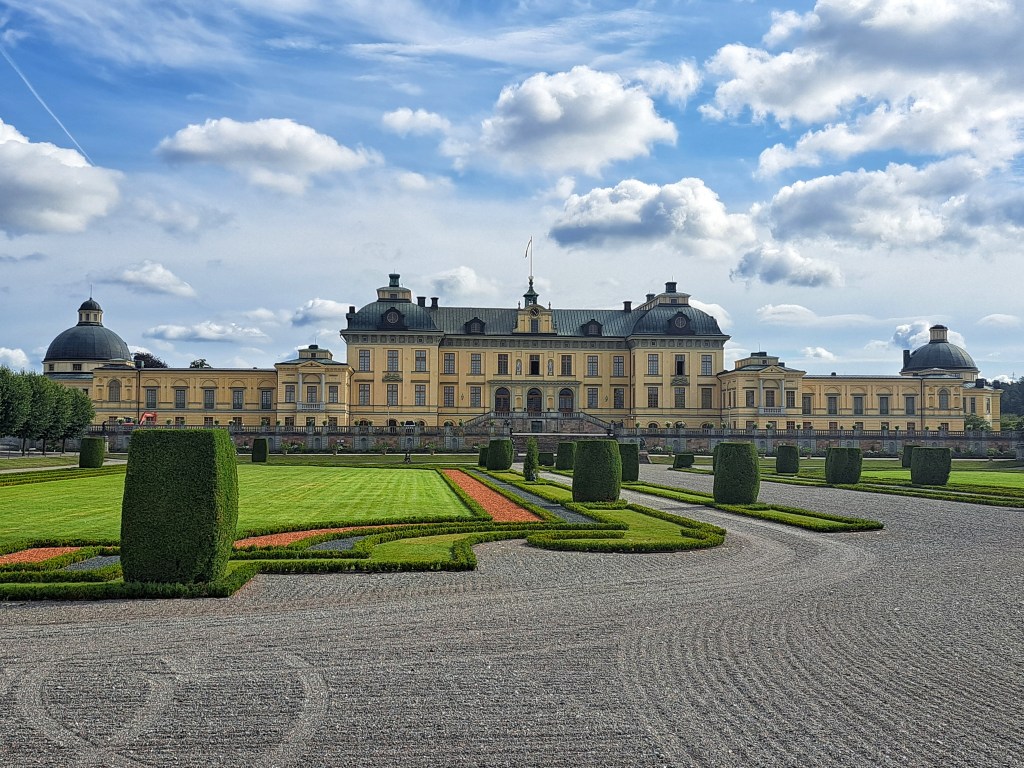
Hi guys 🙂 This summer, specifically at the beginning of August, mom and I went to Drottningholm, located on Lovön island, near Stockholm! 🙂
This 17th-18th century palace is a true gem with its stunning architecture, incredible landscaped gardens, and rich history!
Queen Hedvig Eleonora, Queen Lovisa Ulrika, King Gustav III have significantly influenced the palace and its environment. Hedvig Eleonora, for example, was the one who made sure to rebuilt the palace after a fire (1661), Lovisa Ulrika modernised the building during the 18th century. King Gustav III made Drottningholm Palace the center of cultural life in Sweden, hosting lavish concerts, theatrical performances and so on.
A part of the palace (the southern wing) is dedicated nowadays to the Swedish royal family, the rest is open to the public! You are free to gain access to some of the most important parts of the structure including the reception halls.
I would suggest you to book a tour with a guide who will explain to you, in more details, the history of this stunning building!
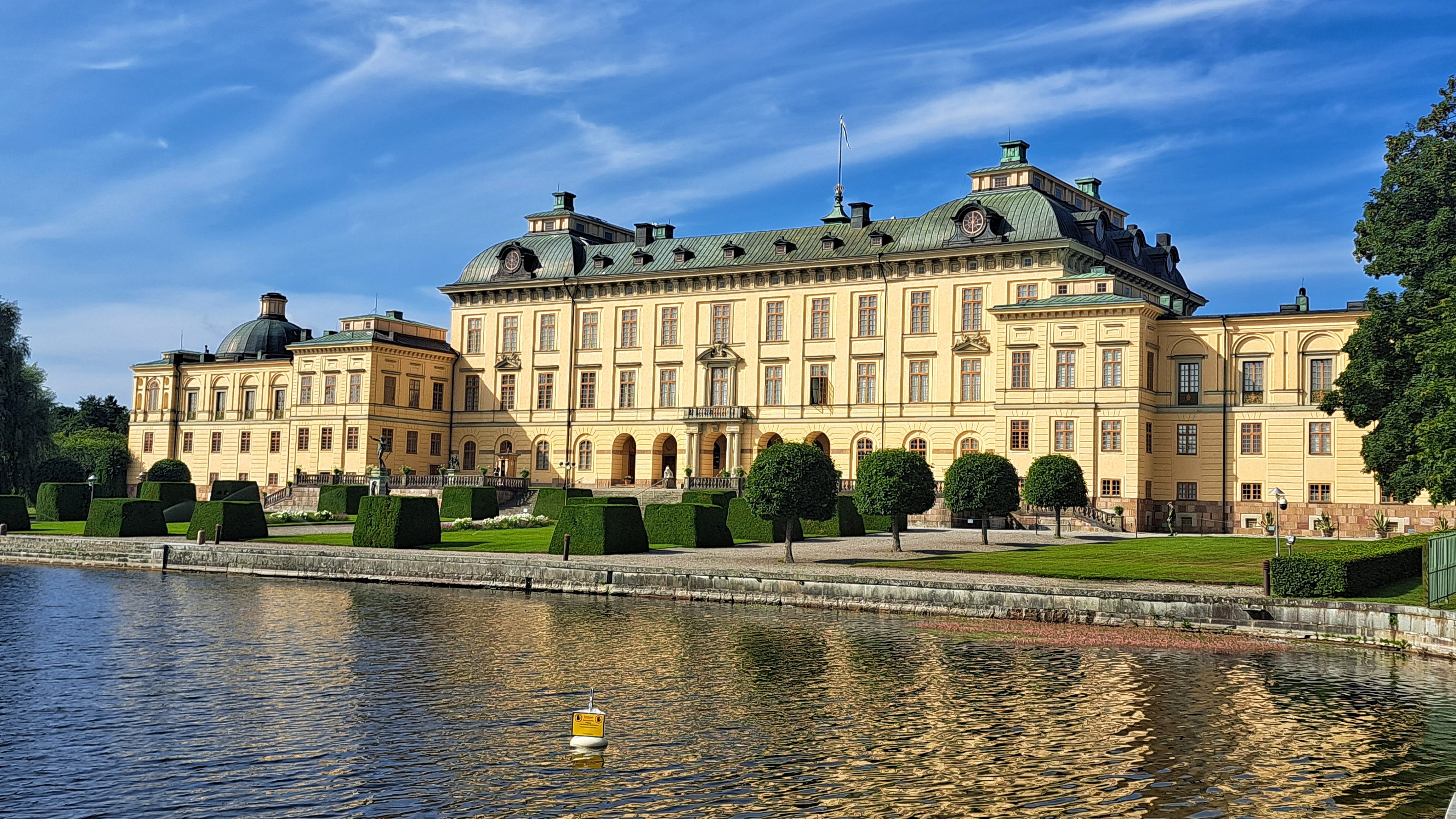
Drottningholm Palace, a Unesco World Heritage Site
This magnificent palace was added to the list in 1991 due to its outstanding preservation. The Drottningholm palace, the Palace Theater, the Chinese Pavilion (which I will talk about in the second part of the article)and gardens are remarkably well-preserved, from the 17th and 18th centuries! Also many of the Palace’s furnitures, interiors are original. Drottningholm is one of the most well-preserved palaces in Sweden. Another reason is for its 17th and 18th century European architecture, influenced by French Baroque and Rococo styles!
Some Highlights of this Building:
- The staircase
- The reception Halls
- Hedwig Eleonora’s State Bedchamber
- Lovisa Ulrika’s Library
- The monumental staircase
The staircase at Drottningholm Palace is a true stunning architectural, and artistic masterpiece! It was desidned by the architect Nicodemus Tessin the Elder, commisioned by the Queen Dowager Hedvig Eleonora. It’s a grand double staircase adorned with Baroque, sophisticated details like marble scultures, paintings, intricate carvings.
- The Reception Halls
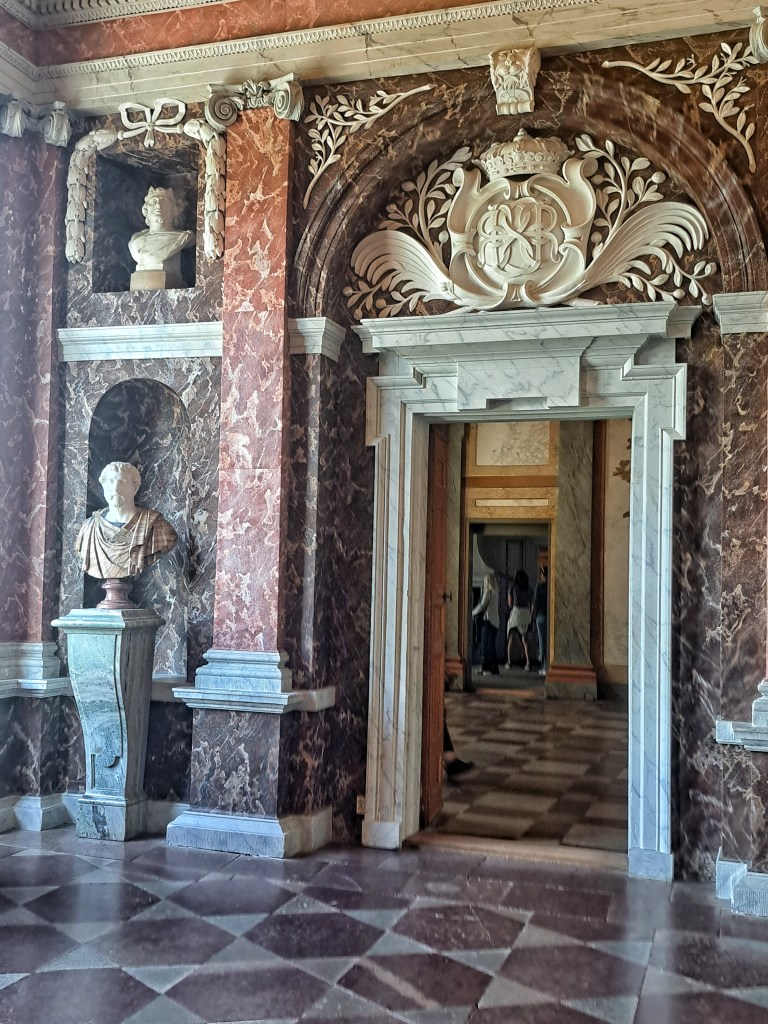
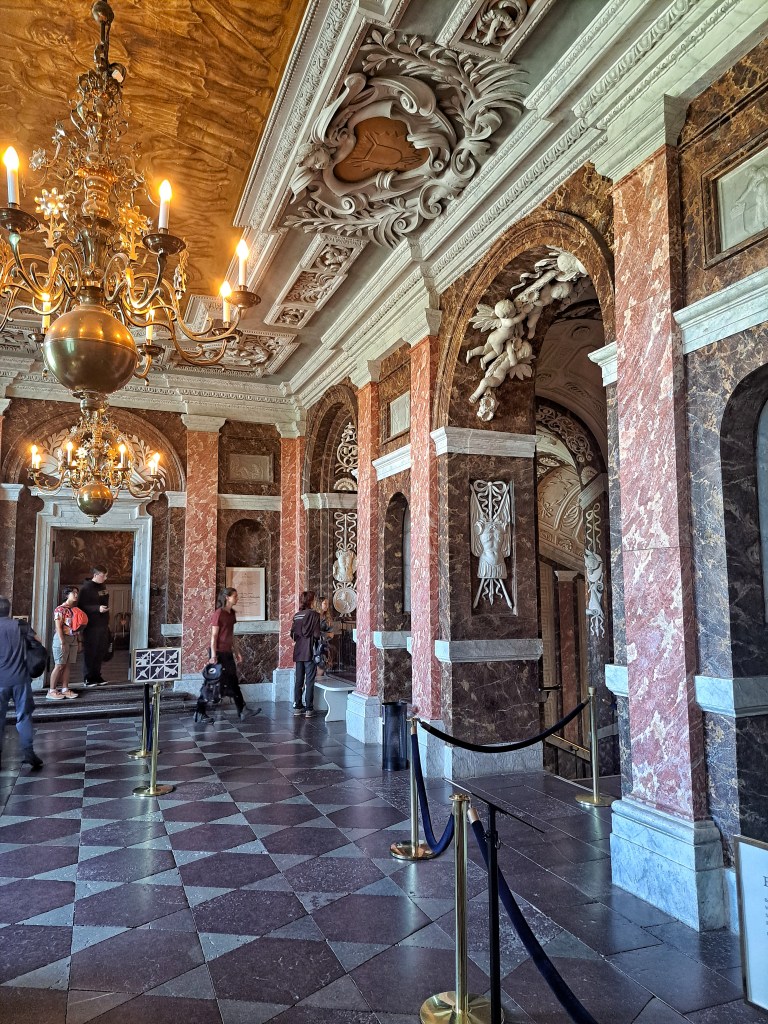
Hedvig Eleonora, Lovisa Ulrika and Gustav III they all significantly shaped the interior design of the Reception Halls. These Reception Halls are a series of interconnected rooms used for formal events and entertaining guests. These halls are famous for their opulent decor, intricate details and rich history! An example is the Great Hall.
The Great Hall
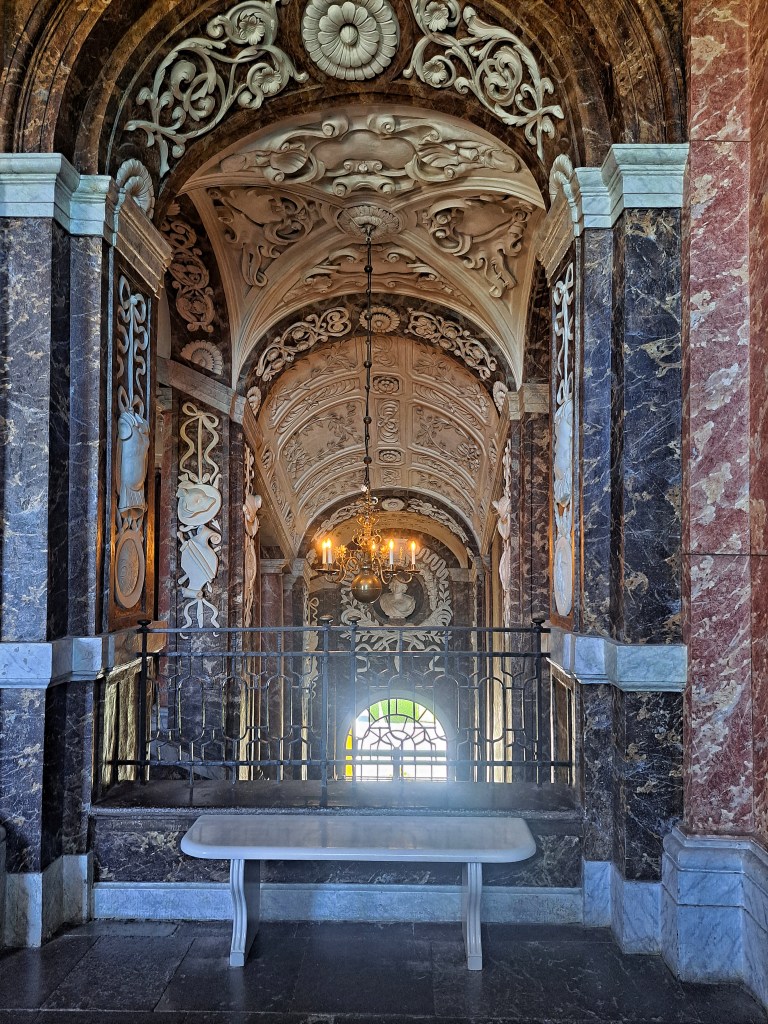
- Hedwig Eleonora’s State Bedchamber
Queen Hedwig Eleonora’s State Bedchamber is another highlight of this palace! It’s one of the most spectacular, Baroque rooms at Drottningholm Palace with an opulent atmosphere. This striking blue and gold chamber served as an audience room for important visitors. The entire room is full of symbols of royal power. It has many intricate details. The centerpiece is the grand bed covered in rich fabrics and adorned with gold.
- Lovisa Ulrika’s Library
Personally, this room is one of my favourite’s in the palace, due to its decorations, colours, and etc. It’s such a welcoming place, I can really imagine the Queen reading here 🙂
Lovisa Ulrika-an educated queen
This room is a testament to Queen Lovisa Ulrika’s intellectual curiosity and cultural interests. She was a keen reader, she knew several languages like German, Italian, English and she also learnt Swedish The walls are lined with bookshelves filled a diverse collection of books including history, philosophy, science!
The library was both a place of study and a symbol of her status and influence.
This room is a beautifully, preserved example of Rococo design, reflecting the era’s love of sophistication and elegance (18th century). It features intricate details such as gilded moldings, and ornate furniture.
- Baroque garden
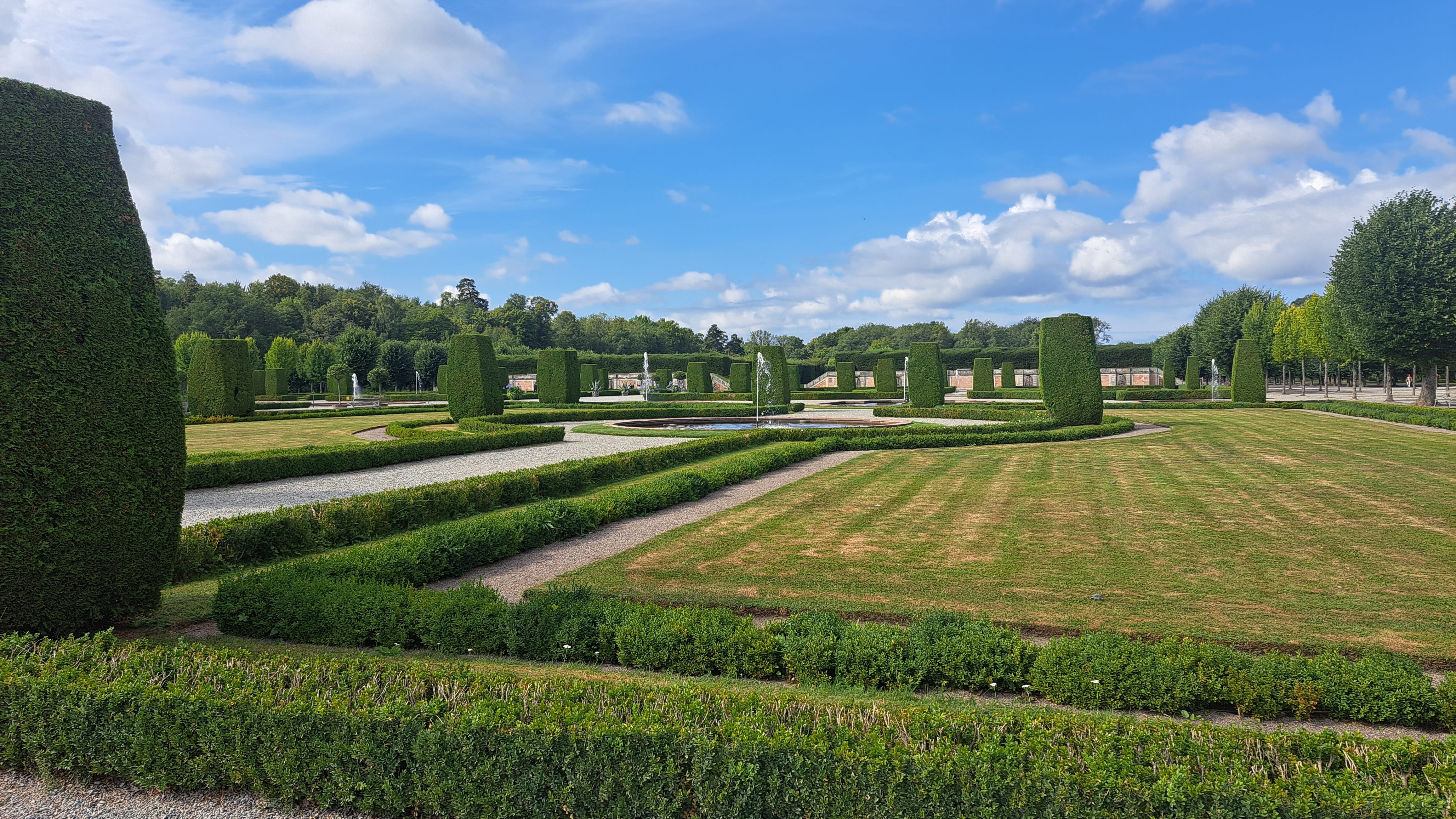
There are different kinds of gardens surrounding Drottningholm, I was strucked mainly, by the magnificent 17th century Baroque garden. It was created under the direction of Queen Hedvig Eleonora and the renowned architects Nicodemus Tessin the Elder and the Younger.
The central axis of the garden leads to the stunning Hercules fountain, a masterpiece of Baroque sculpture featuring bronze figures.
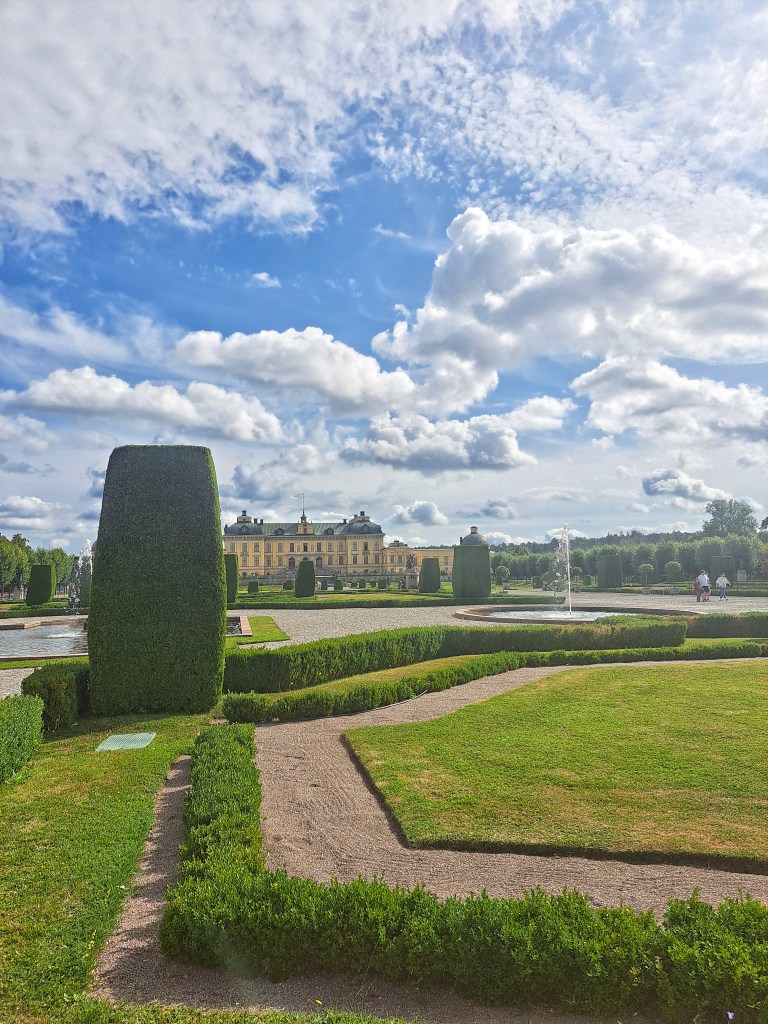
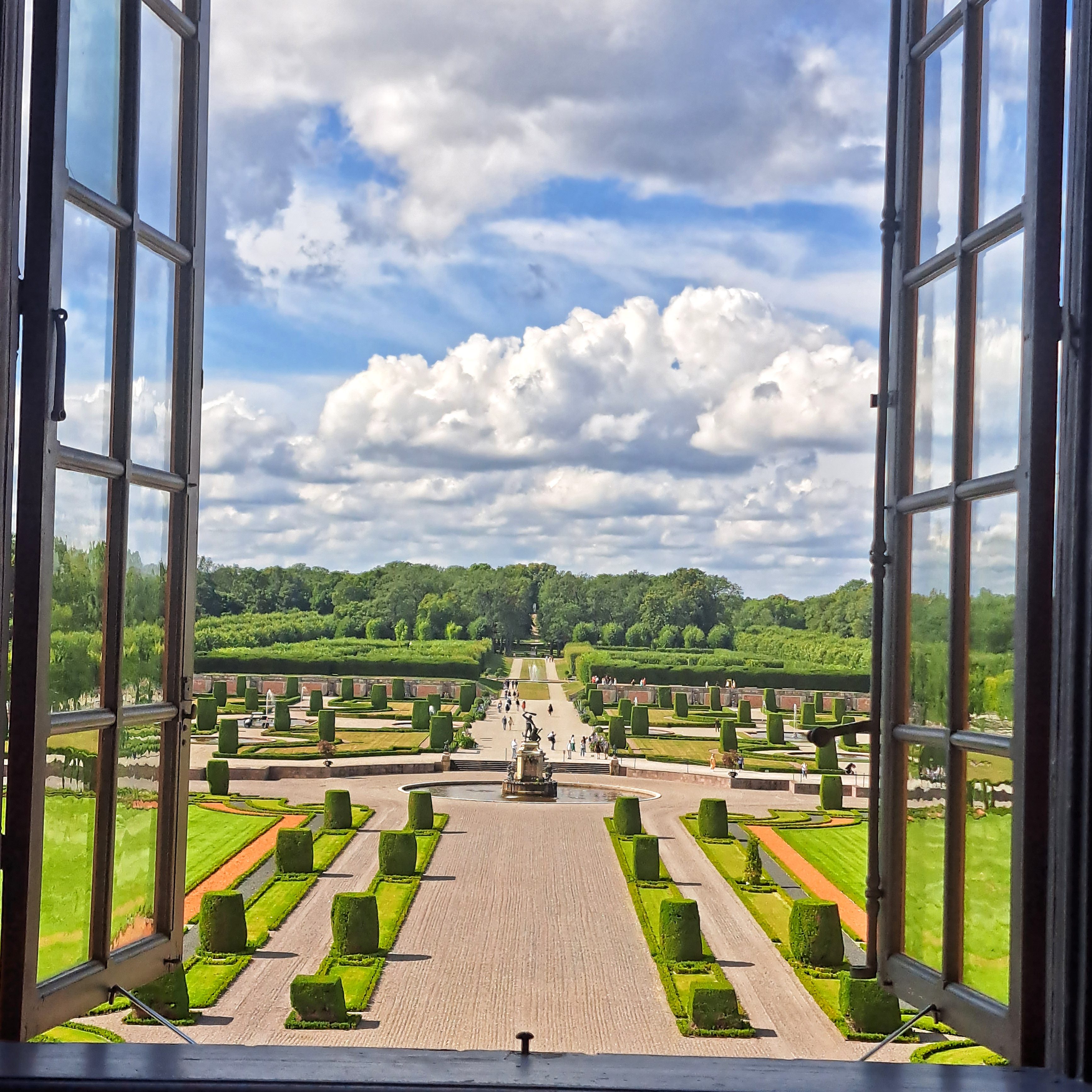
It is one of the best-preserved examples of Baroque garden design in Europe.
More informations:
- There are two cafes where can enjoy something to eat and drink, one close to the Palace, the other one nestled amidst the Palace gardens, particularly near the Chinese Pavilion!
- The easiest way to get to Drottningholm is to take a bus from Brommaplan.
I would recommend you to take your time to visit this marvellous place and take in the beauty around you! 🙂
Post not sponsored


 FeelingGoodWithSofy
Lascia un commento