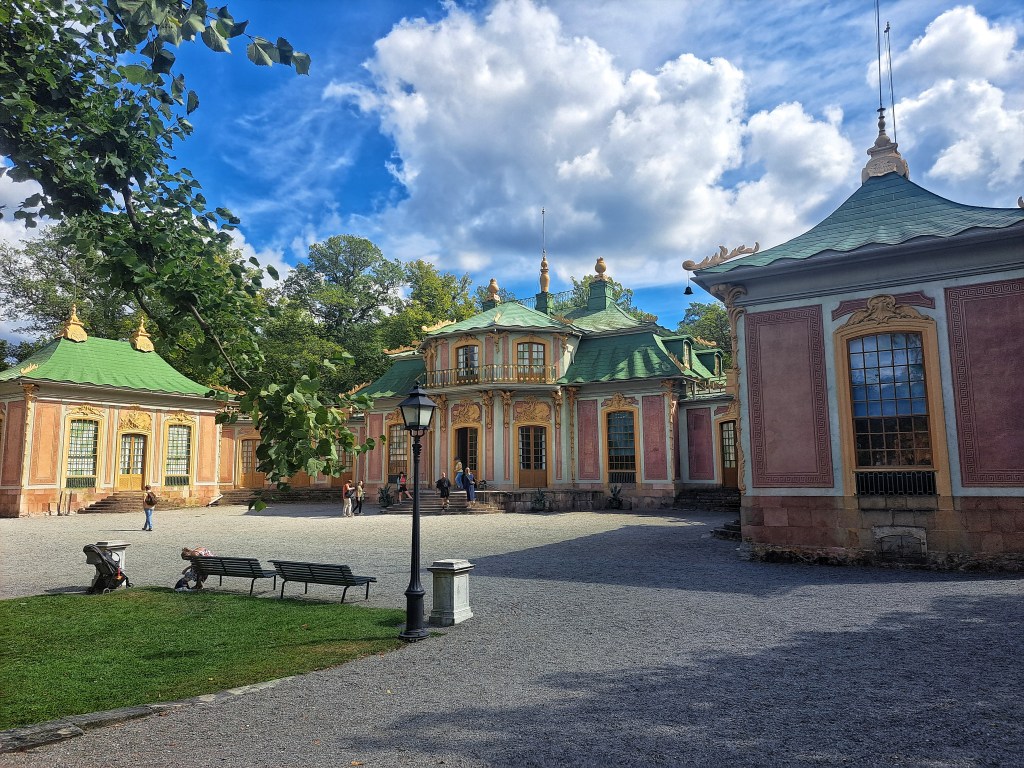
Hi guys! In this blog post I write about the stunning Chinese Pavilion, which is nestled within the expansive parklands of Drottningholm Palace, on the island of Lovön, close to Stockholm!
It was a really pleasant visit! 🙂
Some history behind this fairy tale structure
The Pavilion was built in the middle of the 18th century, a time in European history when chinoiserie, Chinese art and design philosophy, was at its peak.
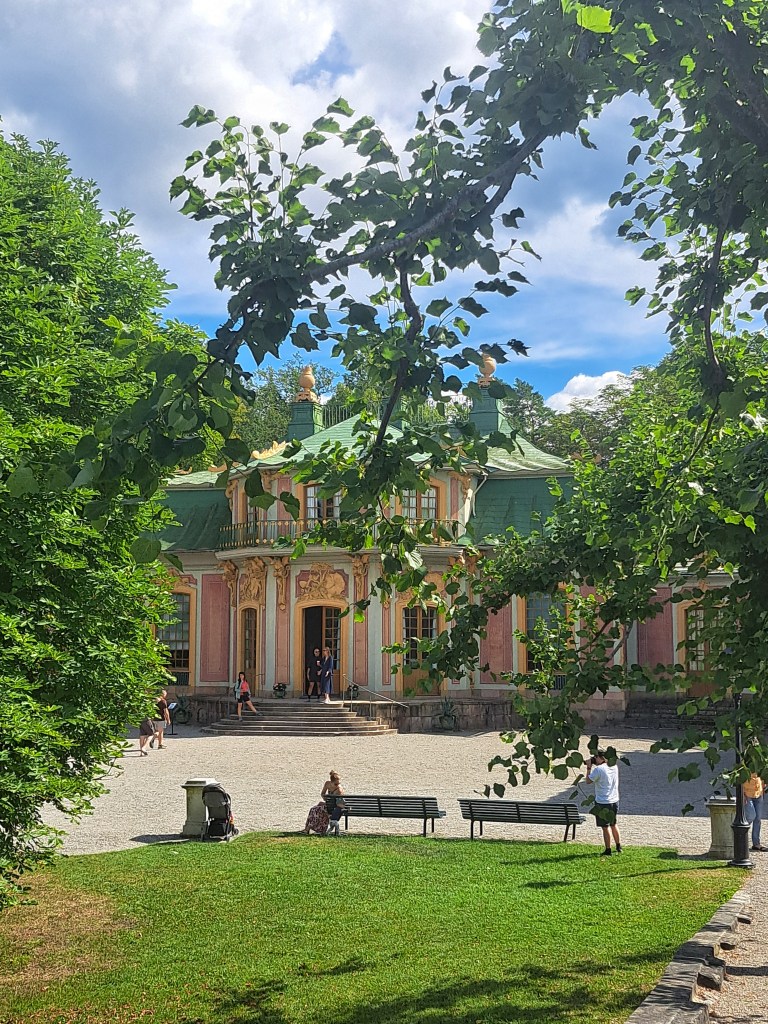
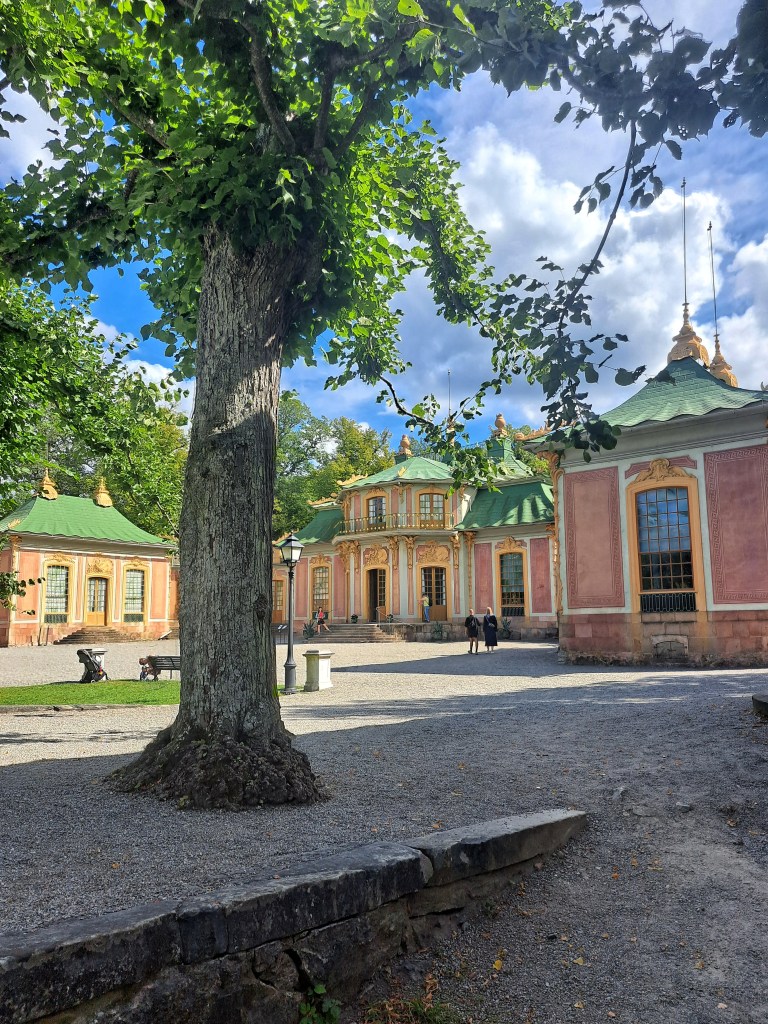
It was a birthday present given to Queen Lovisa Ulrika by King Adolf Fredrik. She was surprised one July evening in 1753 with this amazing present which was secretly commisioned by the King as a summer retreat for Lovisa Ulrika. This architectural mastepiece was designed by the famous Swedish architect Carl Fredrik Adelcrantz, reflecting the popular European fascination with Chinese culture and design of the 18th century.
Besides from being a summer retreat for the royal family and their guests, the Pavilion served also as a place for entertainment, leisure, and cultural exchange!
The Chinese Pavilion, a Unesco World Heritage Site
The chinese Pavilion, along with Drottningholm Palace and its surrounding grounds, is recognized as a Unesco World Heritage Site.
The Pavilion is an exceptional example of European chinoiserie architecture, it blends elements with Chinese design with European Rococo style creating a unique and visually striking building. It’s a testament to the cultural exchange and fascination with China during the eighteenth century in Europe.
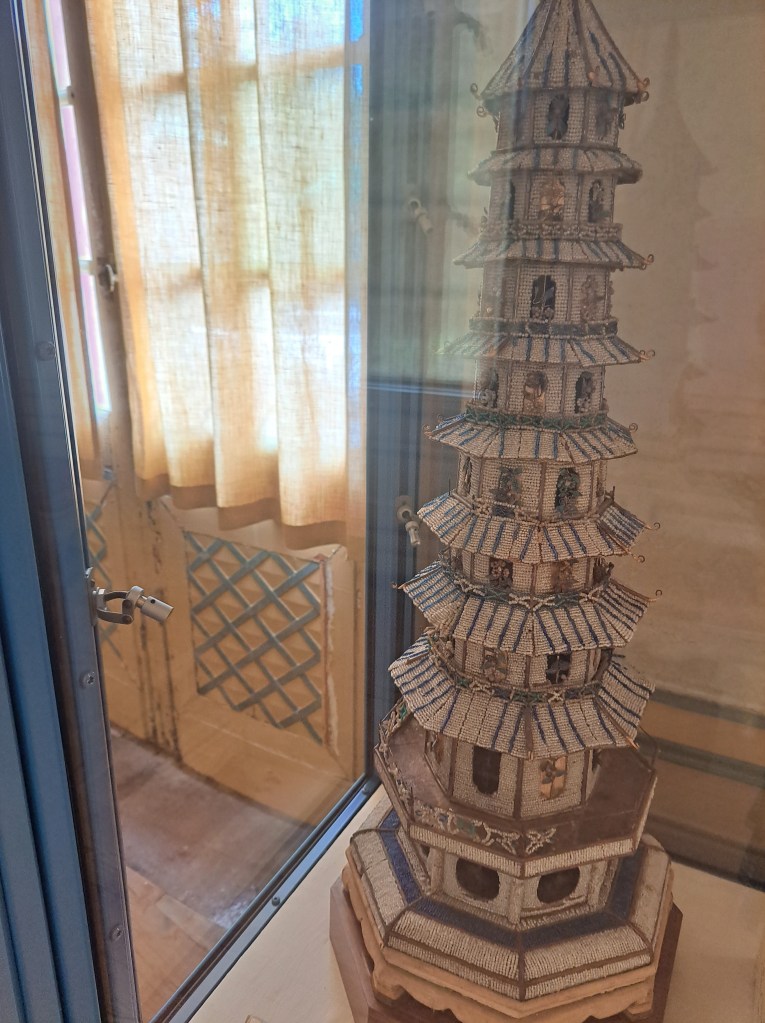
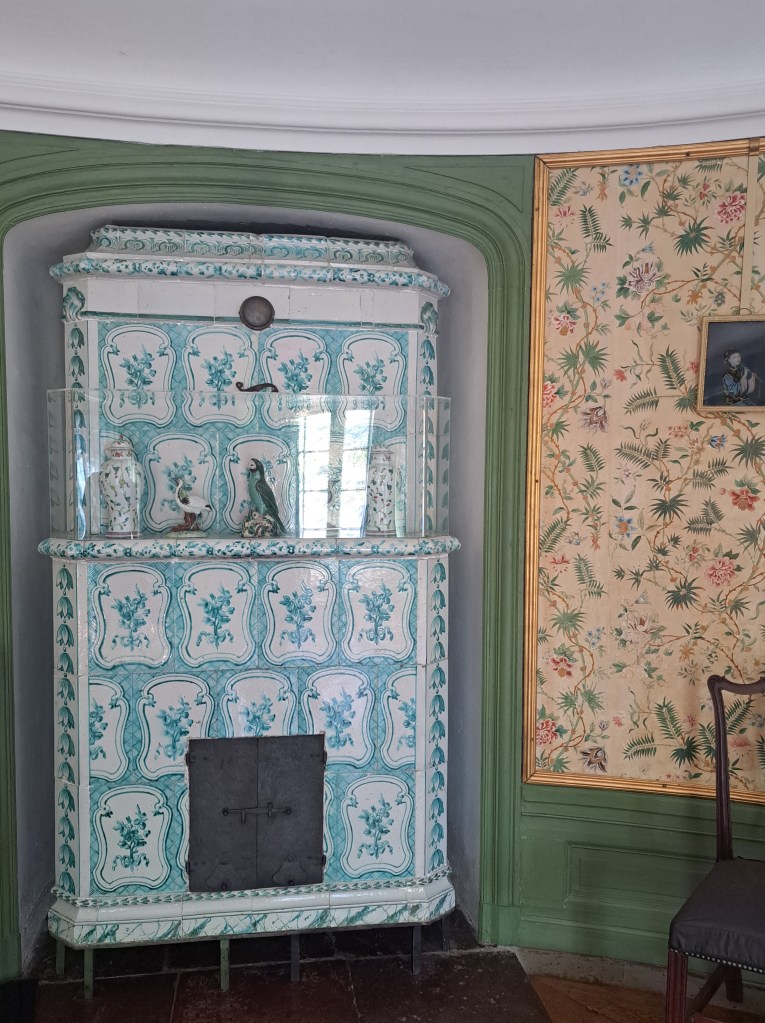
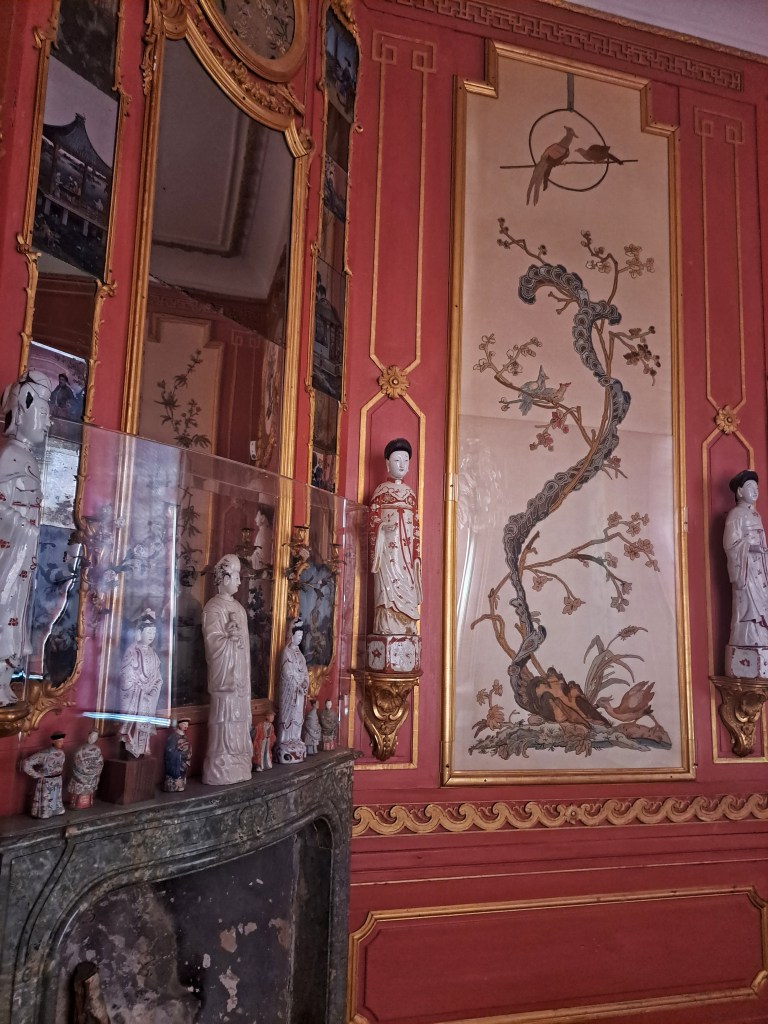
Moreover the interiors of the building are remarkably well-preserved. Many of the rooms are characterized by original Chinese silk, wallpaper, lacquered screens, porcelain and other decorative objects, many of which were probably imported by the Swedish East India Company.
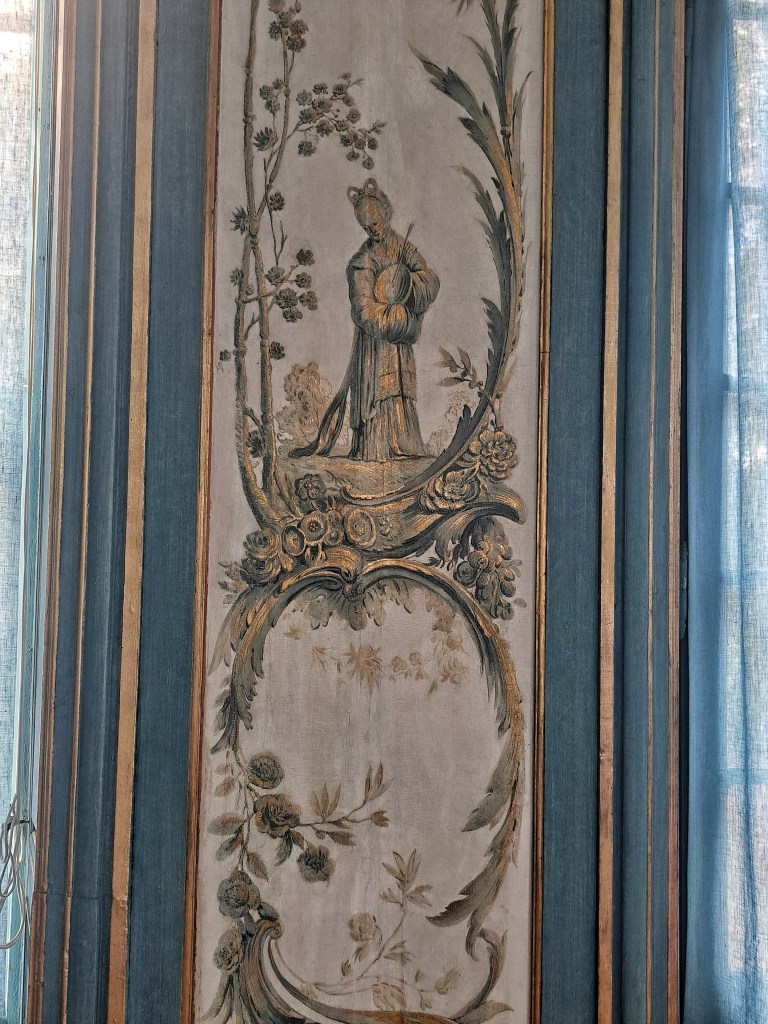
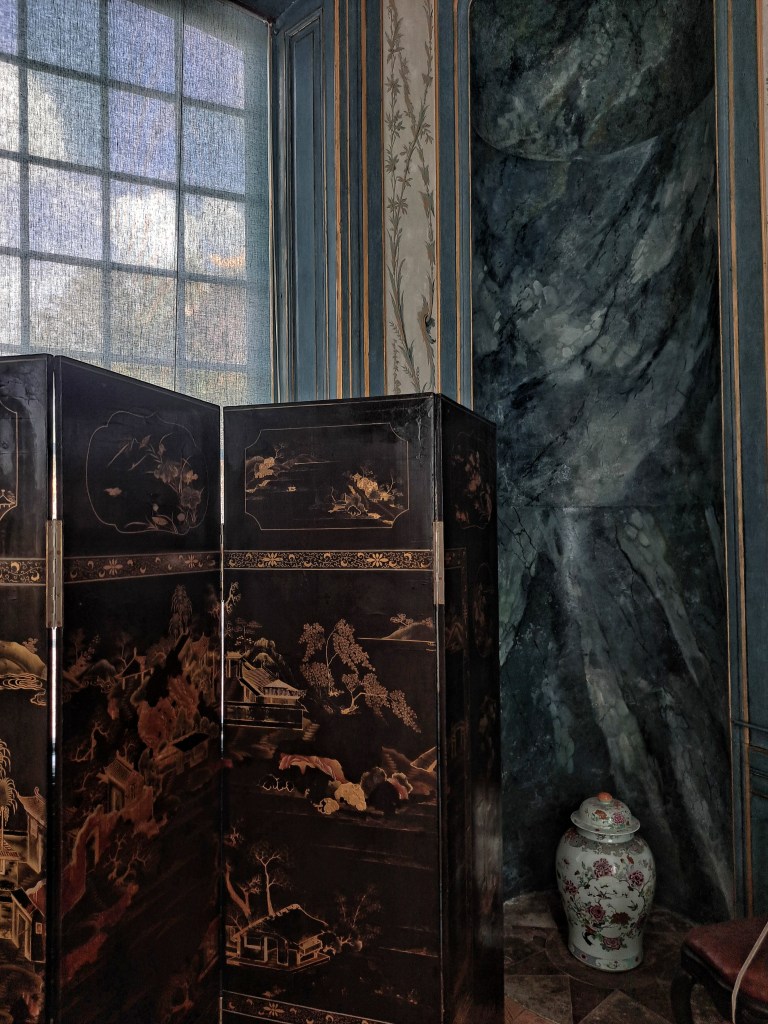
The Chinese Pavilion features two floors with 15 exquisite rooms, each with its own unique charm and decor!
The stairway leads to an Octagonal Room upstairs. The walls are adorned with 18th century Chinese silk wallpaper.
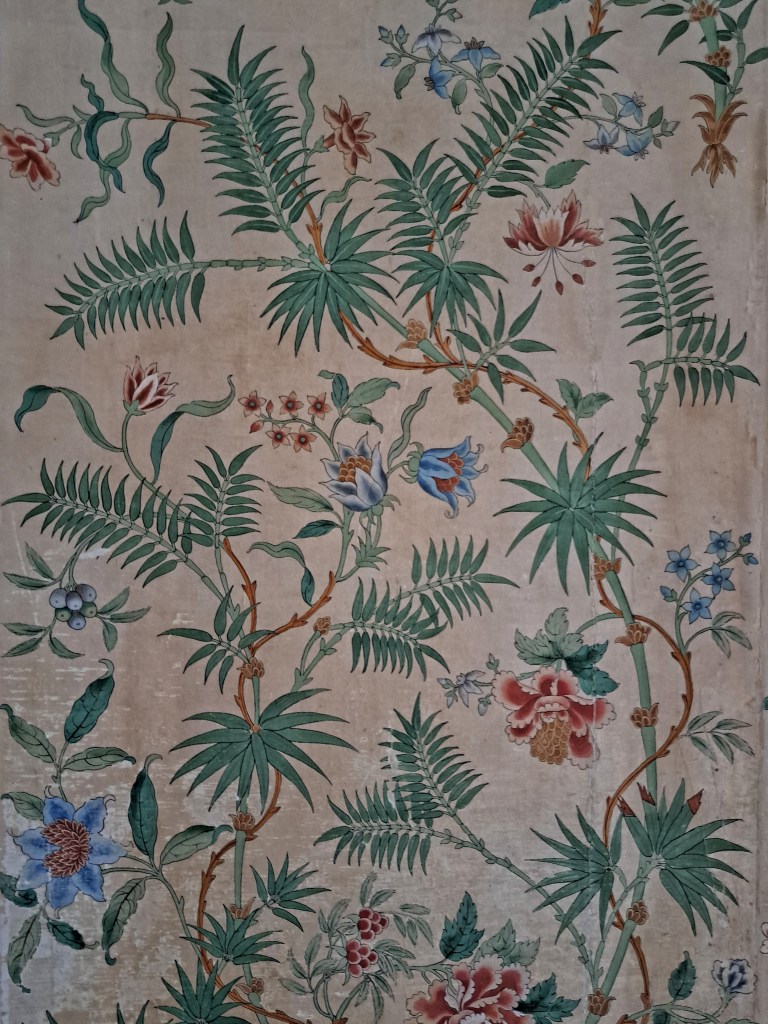

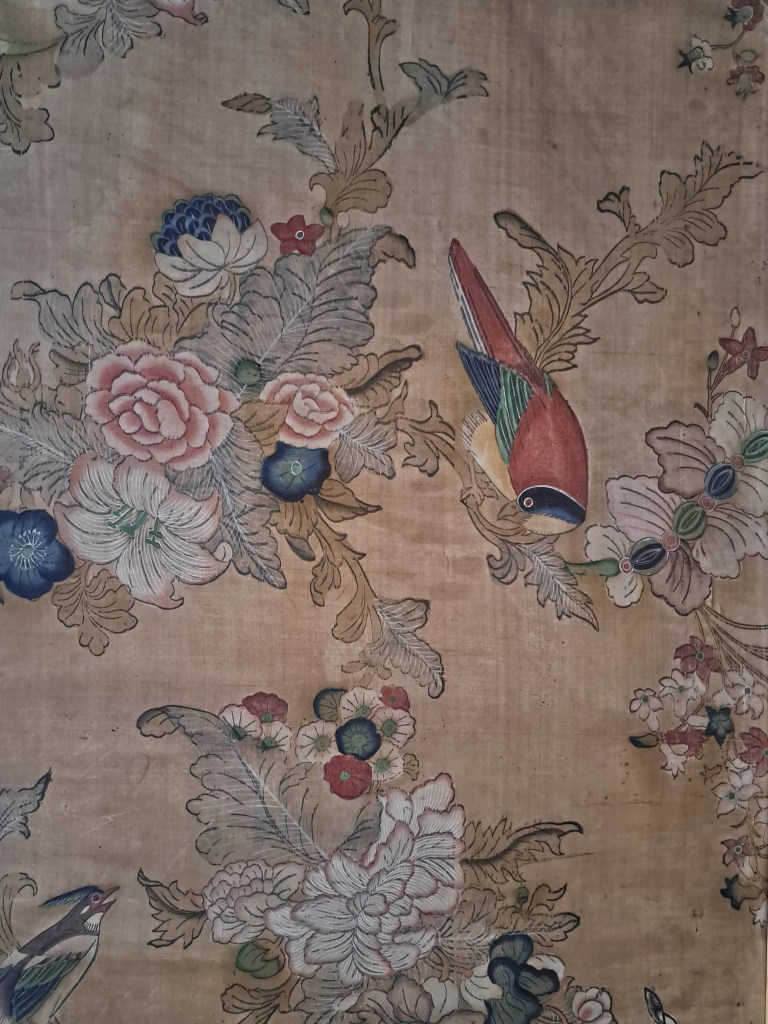
Here are some names of the rooms: the Yellow Room, the Red Room, the Blue room, the Green Room, the Embroidered Room.
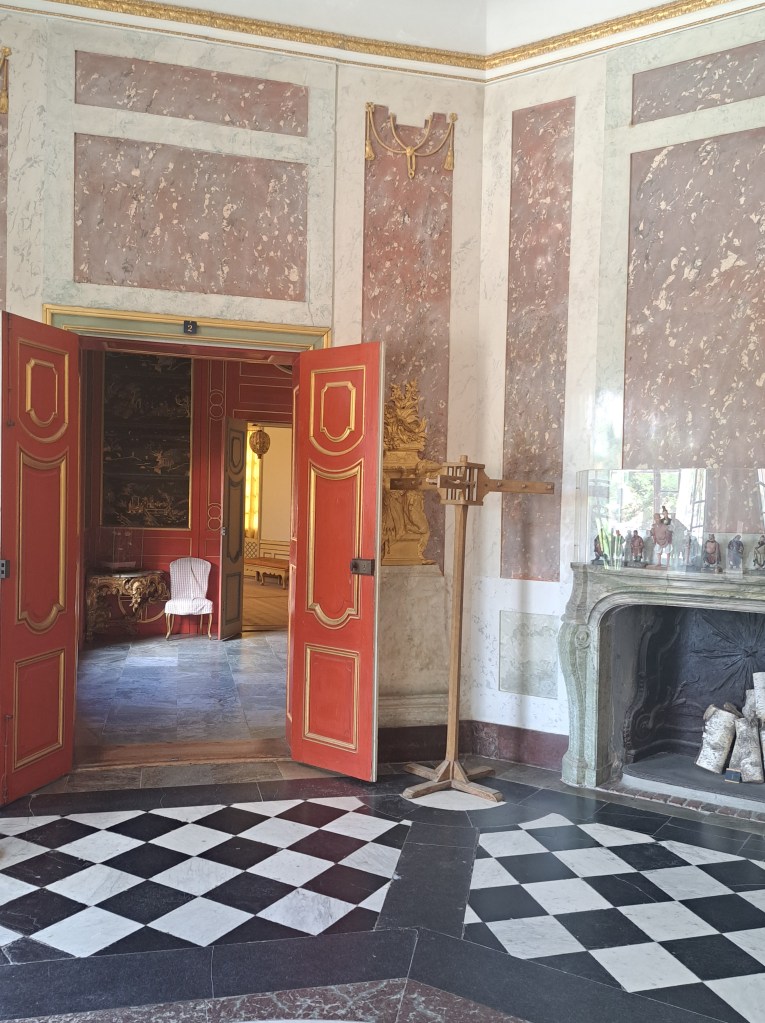
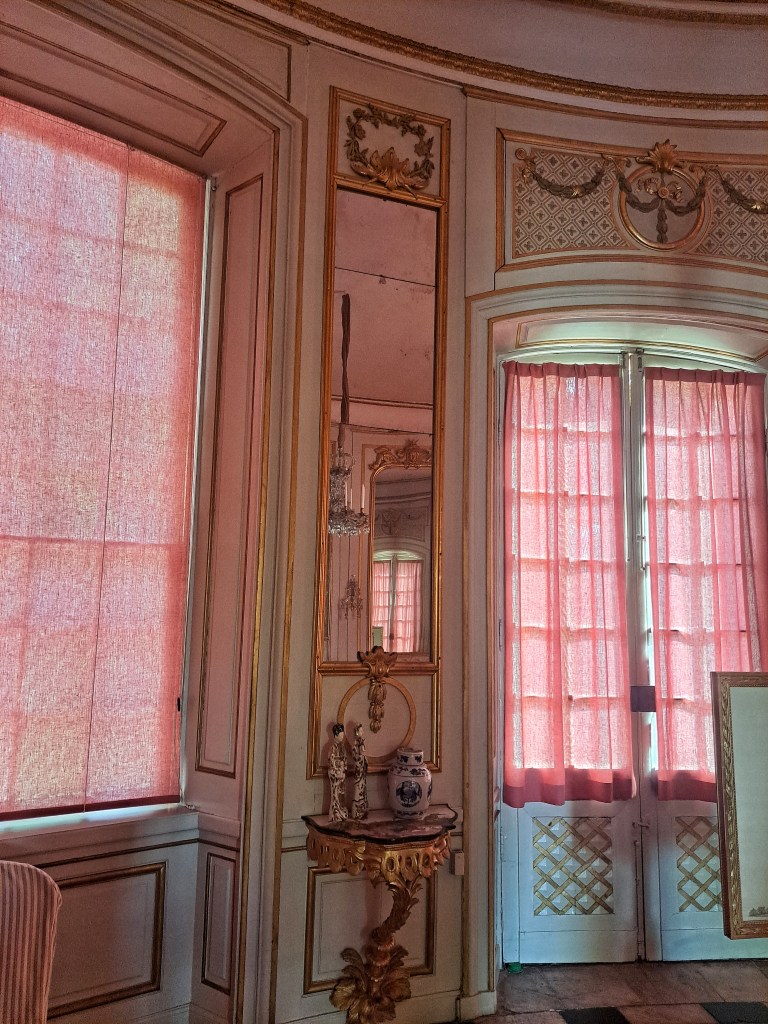
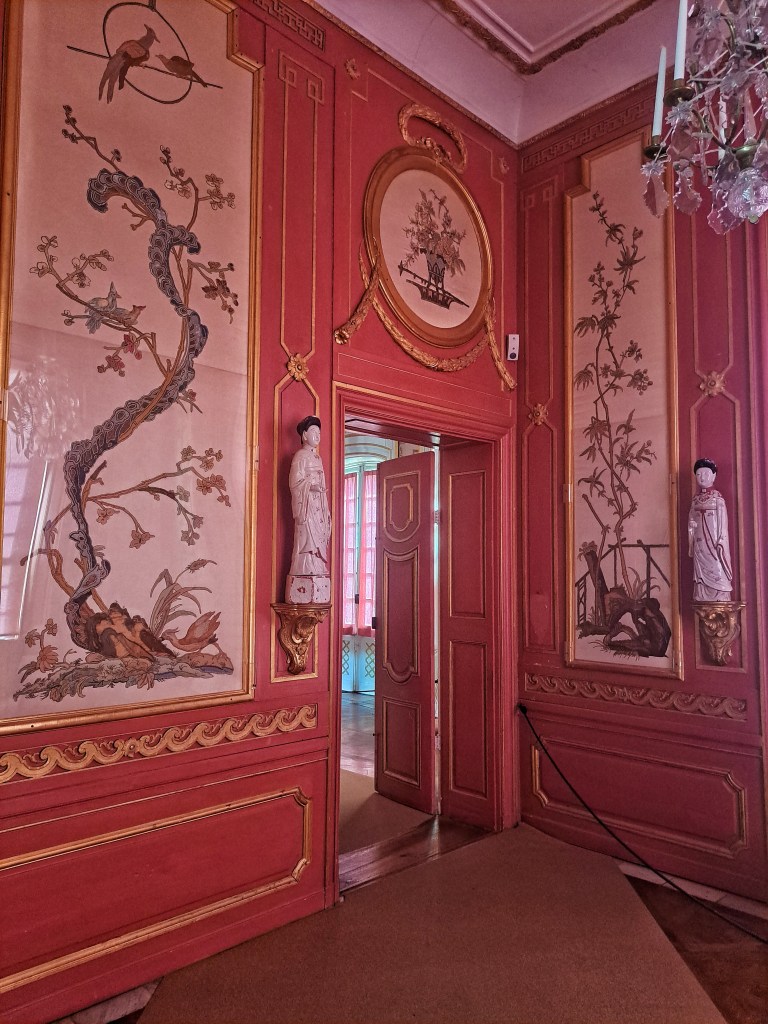
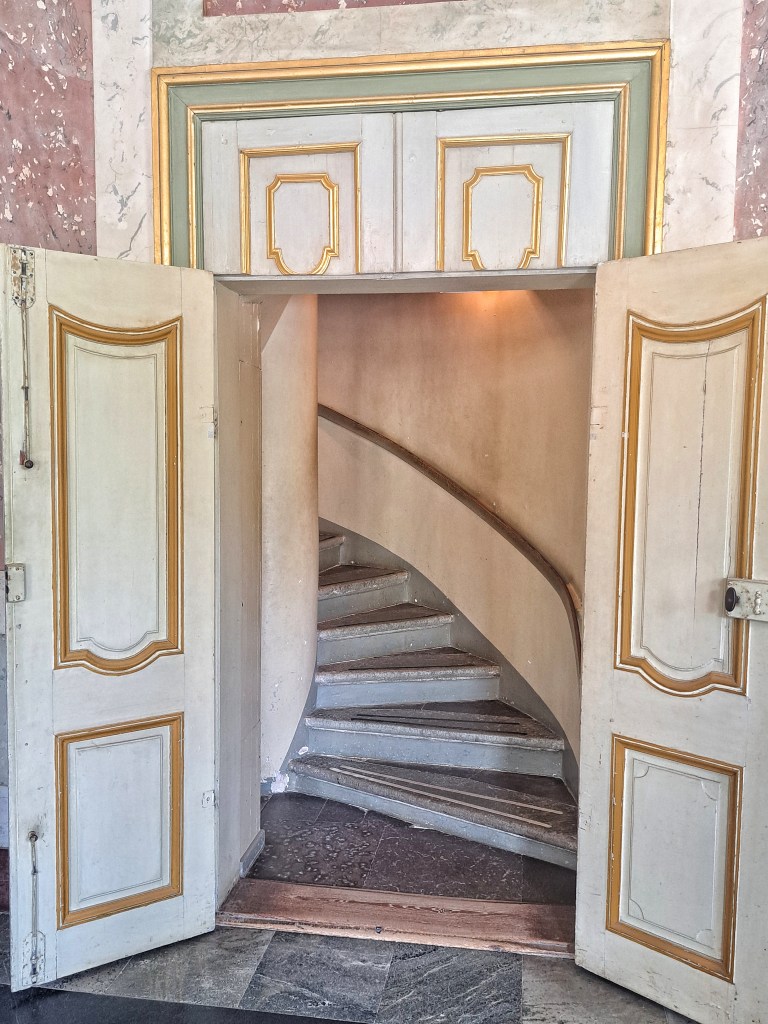
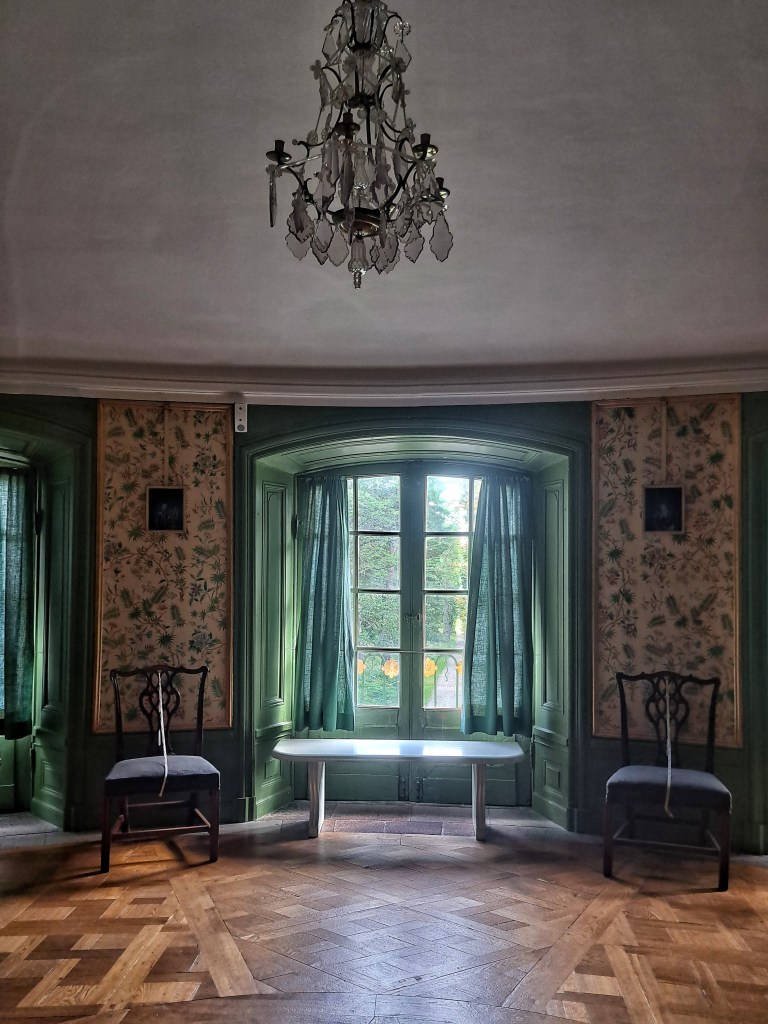
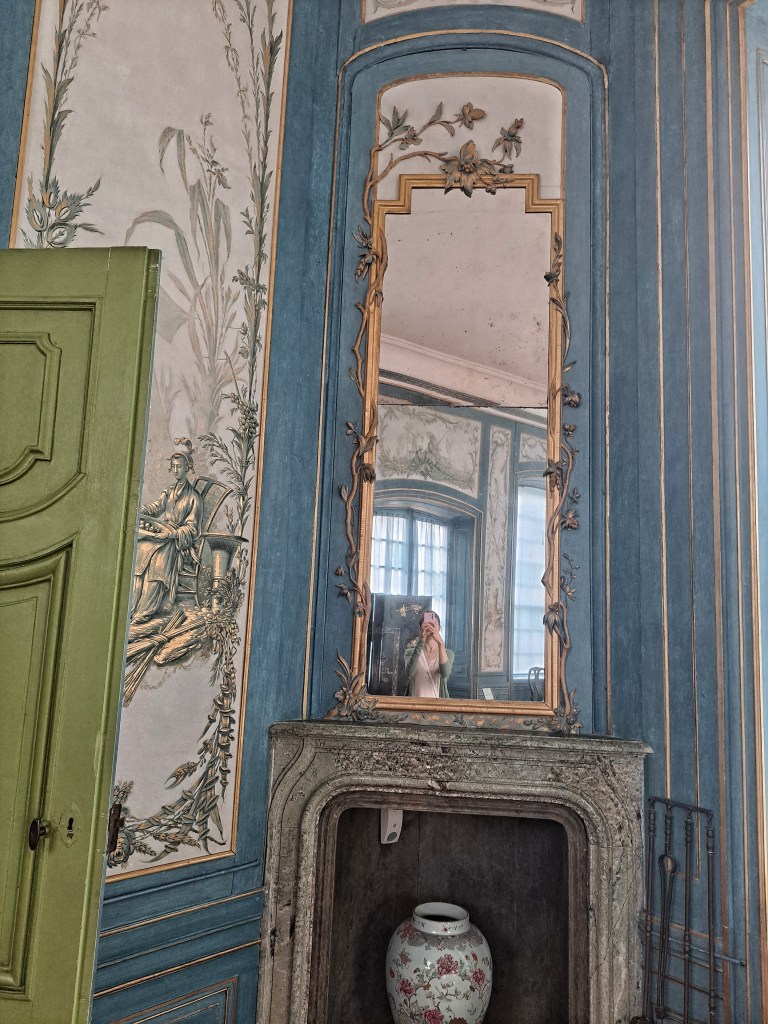
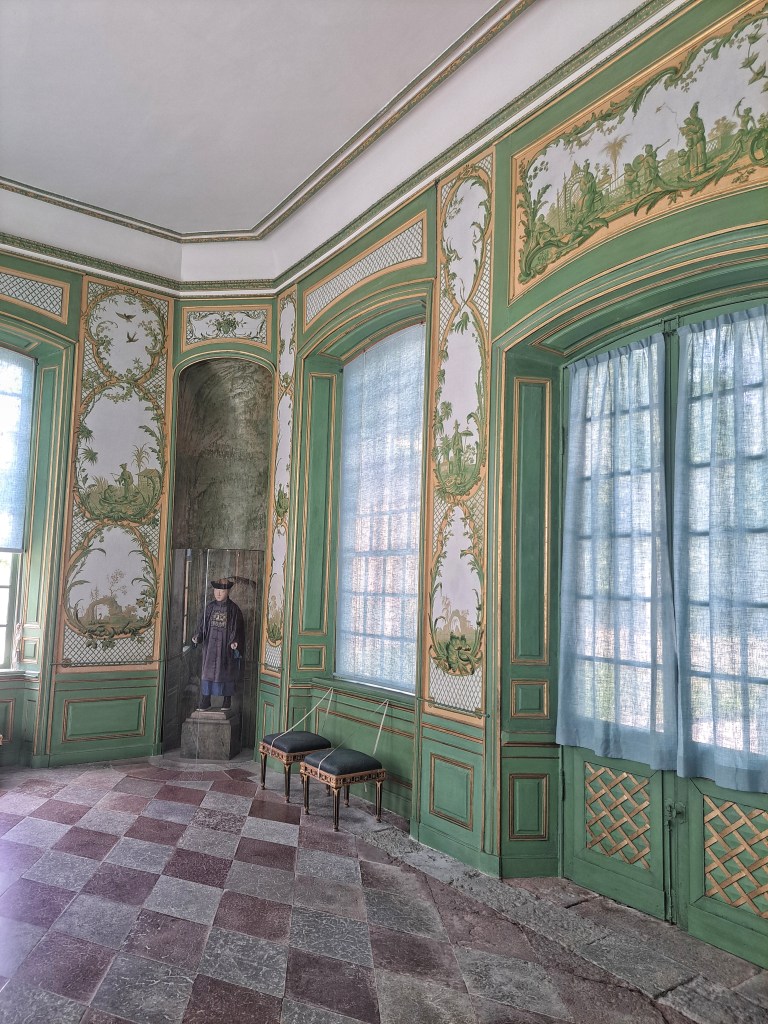
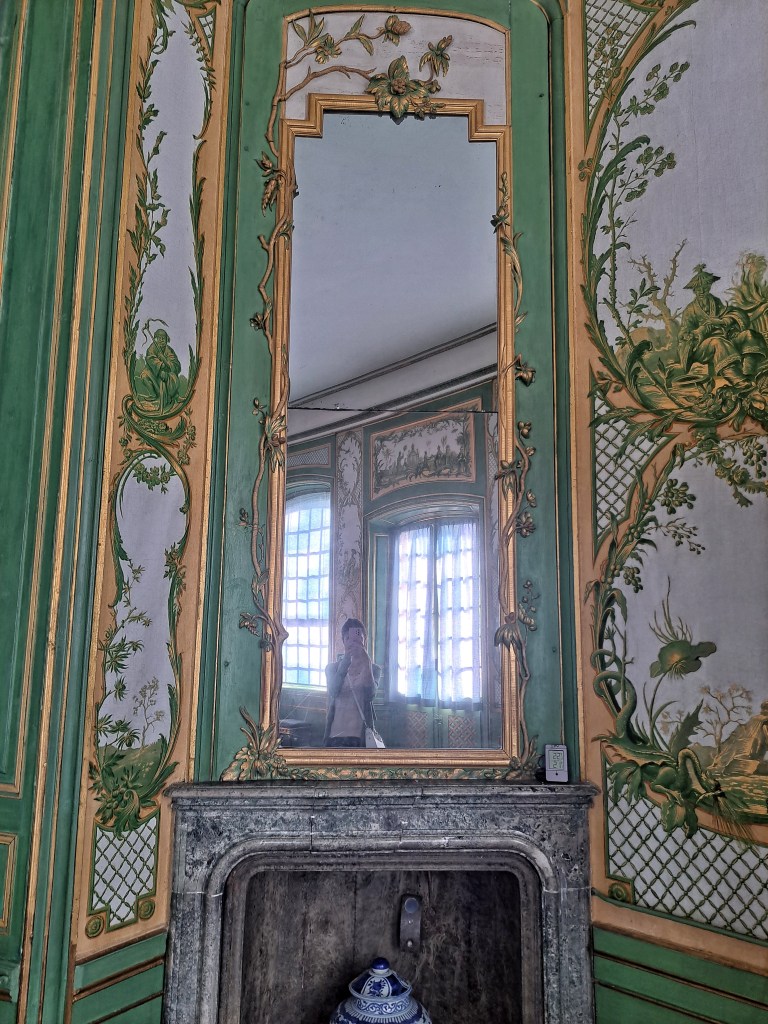
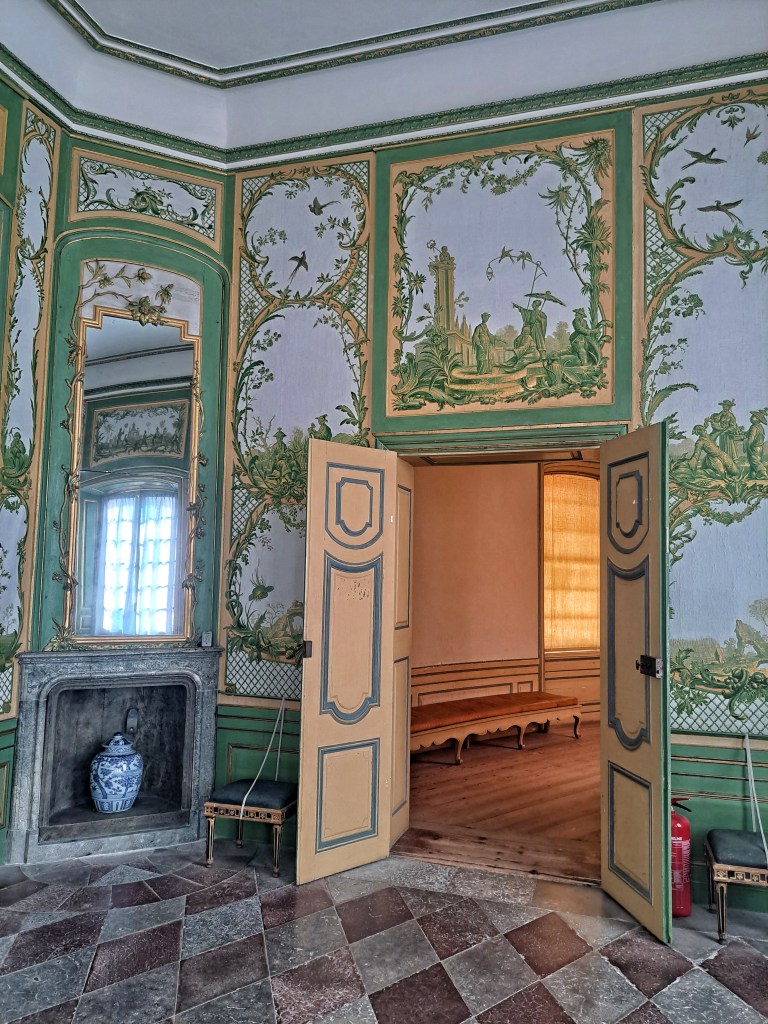
- The Green Room
This is one of my absolute favourite rooms! It gives me a sense of peace and tranquility with its green colour, its aesthetic, its Chinese silk wallpapers 🙂
This room with its Rococo furniture pieces was used for social gatherings, as a space for relaxation and perhaps even for private contemplation.
As I already mentioned before, the Chinese Pavilion as a whole, served as a place of entertainment for the Swedish Royal family. The Green Room, along with other ones, contributed to this overall purpose by providing a luxurious and aesthetically pleasing environment!
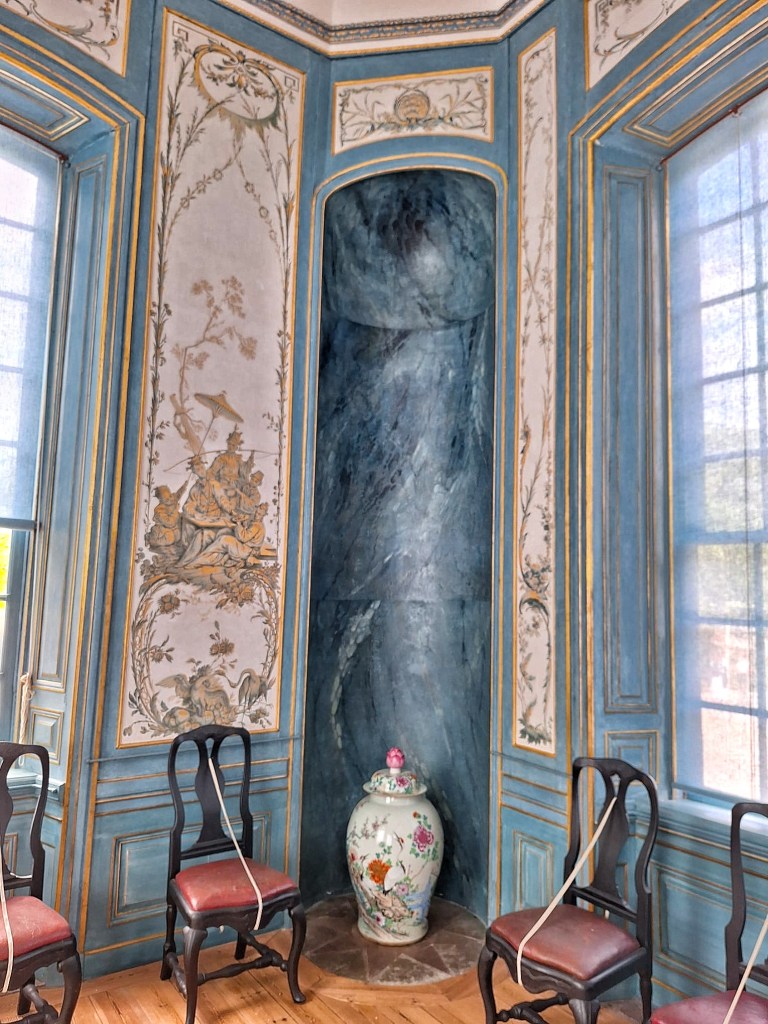
- The Blue Room
Another room that I found fascinating was the Blue Room!
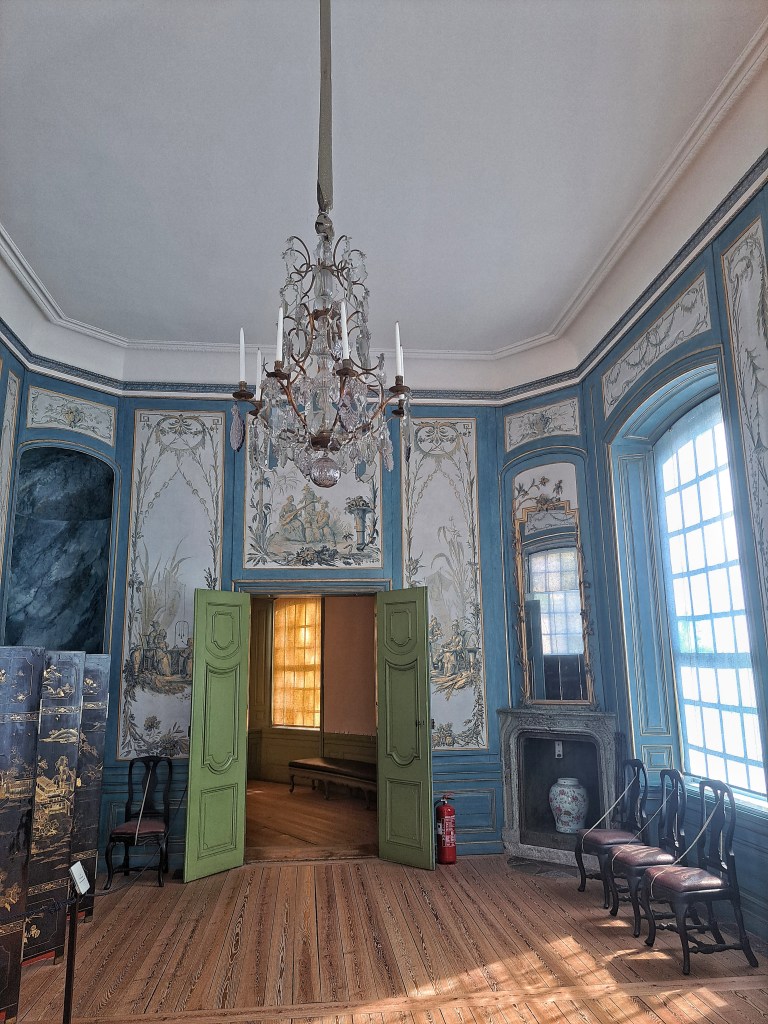
The Blue Room, also known as the Blue Salon, is one of the most striking rooms in the Chinese Pavilion. It’s characterized by its dominant blue colour which creates an elegant and serene atmosphere.
The room presents a blend of European and Chinese influences. The walls are adorned with Chinese wallpaper, while the furniture a more European Rococo style such as this chandelier, hanging in the center of the room!
So, if you have time (after Drottningholm Palace and etc.), I would warmly recommend you to take a look at this stunning building! 🙂
Here is the link to my Drottningholm Palace article! https://feelinggoodwithsofy.wordpress.com/2024/12/02/drottningholm-stockholm-sweden/
Post not sponsored


 FeelingGoodWithSofy
Lascia un commento