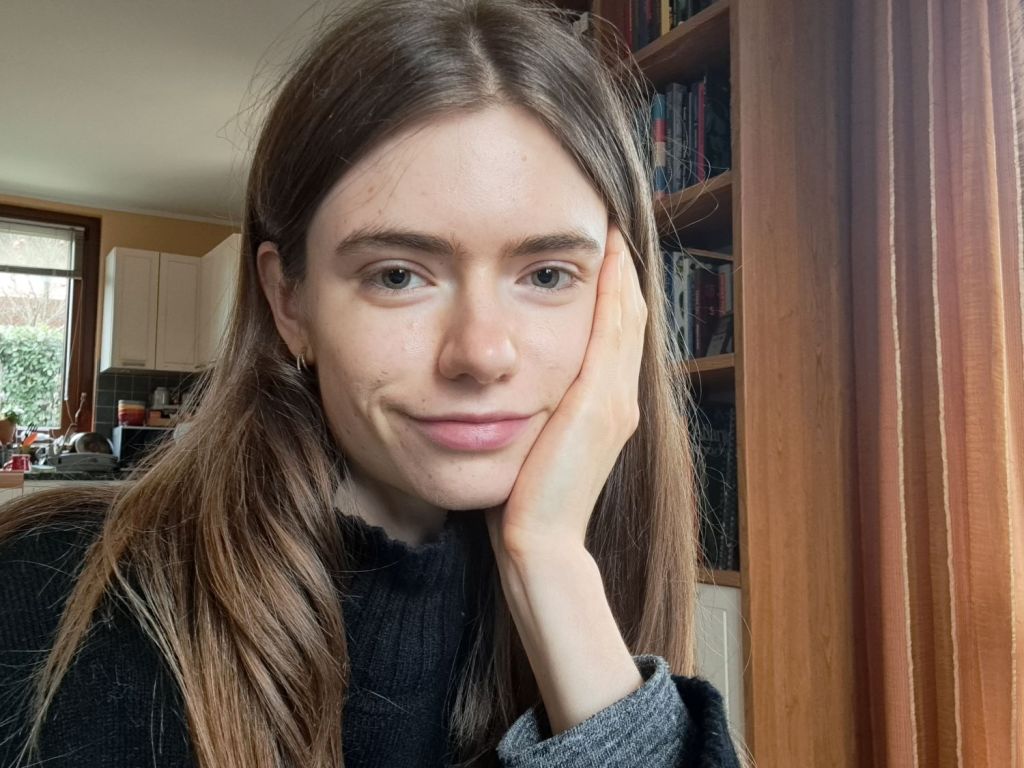
Hi everyone! :)😊 In this blog post, I write about specific learning disorders and some of my life stories during my time at high-school.
Trigger warning: If you are struggling with your own mental-health and/ or you also have specific learning disorders and find this topic difficult, do not feel the need to read it. however, this blog post contains also some motivational content! So, it’s totally up to you! 🙂 ❤️❤️
First of all, I link my first article about this subject: https://feelinggoodwithsofy.wordpress.com/wp-admin/post.php?post=52&action=edit
Specific Learning Disorders
As I have already written in my first article, specific learning disorders (SLDs) are a group of neurodevelopmental disorders that affect a person’s ability to acquire, process, and retain information.
These disorders can manifest in different ways, impacting different academic skills such as: reading, writing and mathematics.
Common types of SLDs:
- Dyslexia: a language-based learning disability, which primarily affects reading abilities. People with dyslexia may struggle mostly to read fluently.
- Dysgraphia: a learning disability, which affects handwriting and written expression. People with dysgraphia may have difficulties with spelling, grammar, organizing their thoughts on paper.
- Dyscalculia: a learning disability, which affects mathematical skills. People with dyscalculia may struggle with arithmetic operations, problem-solving, understanding mathematical symbols.
I have dyscalculia and difficulty comprehending texts (which is also a learning disorder). When I was at school, for many years, I’ve been ashamed about my learning disorders, not wanting to tell, to practically no one in my age or older, at the time, about my struggles. Struggling academically, at school, has also been one of the many reasons to my poor self-esteem and to my depression and anxiety.
It’s important to know that SLDs are not an indication to a lack of intelligence. They are neurological differences that can make learning challenging.
An early identification, may help individuals with SLDs developing different kinds of effective helping skills along the way.
As always, I am no doctor. If you think you have a Specific Learning Disorder, or more than one, consult a professional for an eventual diagnosis.❤️
Struggling at high-school…
I have struggled all through school.
At 13 years old, I had to choose a new school and I chose a language high-school because I wanted to prioritize my language skills especially my English, which has always been the only subject and language that I felt good at, that I loved and still do.
I encountered many difficulties along my way at high-school, as in primary and middle school, I did not feel understood by several professors, plus my highly sensitivity, and depression did not make things better.
Some difficult episodes, situations…
An episode, which happened a few weeks before finishing the first year of high-school
- I was sitting in a classroom, (not mine) with also other people, whom I did not know. The professor there said she was going to call by name the people who got one or more debts in the academic subjects. My nightmare became true when I heard my name, and I felt so ashamed (even if I was not the only one…) to receive a debt in mathematics. I had to grit my teeth for not crying. At home I broke into tears. This episode left me shattered, making me feel more lonely than ever.
Some thoughts: It was really unfair that I got the debt, since I have dyscalculia. My parents, especially, also agreed as they knew how much effort I have put to prepare for tests (Ex.) The math professor, at the time, did not understand me at all, giving me the exact same tests, exercises, as the other ones.
Then I think that a student’s privacy is very important. Not everyone likes to receive personal communications when everyone else hears. Yeah maybe if it is something positive, but generally speaking, it’s not fair at all, in my opinion.
Situations when I did not feel good enough at all
- Another subject which has been so diffult for me was the Italian language. Even if it is my mother tongue, (besides from Swedish), I struggled a lot with texts, compreheding them, writing essays. Many times, I felt bad when the Italian professor congratulated other students who did not have learning disorders, telling me instead that I had to try harder to get better results. She rarely encouraged me with a brava after lending me an Italian writing text.
Some thoughts: I think that teachers, professors should congratulate students when they make their best to pass a test, (for example), regardless if they have a learning disability or not. My highly sensibility made it also harder when I noticed, from time to time, that professors were not entirely satisfied with my (oral) tests.
I am grateful for my mom and dad for being there for me, for speaking to professors and reminding them, (on and on) also of my difficulties…
Tips along the way:
- Moral support: In my opinion, it’s very important to have someone, such as a parent, or psychologist, who supports you, who helps you along the way. Somebody who tells you: “good job, give me a high five! You have done your best and that’s enough! :)”
- Academic support: another important tip is academic support. I had the fortune to have people, after school, who could help me with various subjects, and I am really thankful for their support. But not everyone, has this fortune. Individuals with SLDs should have the chance to get more support, without paying lots of money.
- Affirmations: then a tool, that I began using after finishing school, to boost especially my self-esteem, is daily affirmations. Something I did not use back then, but that I believe is helpful, for building inner strength, confidence. An example: I am capable of doing this task because I am smart and limitless!
Love and light ❤️✨
Sofia Lena😊
Post not sponsored

 FeelingGoodWithSofy
Lascia un commento