
Hey everyone!😊
In this article, I’m going to dive into what it really means to be highly sensitive—and while we mainly focus on the challenges of this personality trait, I also want to highlight its strengths. I’ll also share a bit of my story and some helpful tools along the way!❤️
Beyond the Overwhelm: What It Really Means to Be an HSP
Being highly sensitive goes far beyond being simply shy or emotional; it’s a biological blueprint, scientifically known as Sensory Processing Sensitivity (SPS). This trait is found in nearly a third of the population. It’s crucial to understand that this characteristic is not a medical diagnosis or a “flaw”—I highlight it because many people mistakenly believe it’s a mental health condition or something that needs to be ‘fixed.’
It means having a nervous system that is naturally more ‘tuned in’—making you more aware of your surroundings and capturing the subtle nuances of the world that others might simply overlook.
Since this trait is innate and largely genetic, HSPs tend to experience life with much more intensity—a depth that brings both unique vulnerabilities and profound strengths.
Key Characteristics of HSP
It was Dr. Elaine Aron, a researcher and clinical psychologist, who first discovered and coined the term ‘Highly Sensitive Person’ in the early 1990s.
She developed the D.O.E.S. acronym to describe the four core characteristics of this trait.
- D – Depth of Processing: you think deeply about everything; you naturally link new insights to your past experiences.
- O – Overstimulation: because you notice so much, your “cup” fills up faster. This leads to you feeling exhausted by busy schedules, loud noises, or bright lights.
- E – Empathy and Emotional Reactivity: you have a high capacity for empathy. You feel your own and others’ emotions quite intensely.
- S – Sensing Subleties: You notice small details—like a slight change in the mood of a loved one, a faint scent, or even subtle changes in your environment.
So, now that we have better understanding of what this trait consists of, let’s focus on its strengths. After all, being highly sensitive has both its darker and lighter sides. 🙂
The Natural Gifts of HSPs
High sensitivity isn’t just about ‘overstimulation’— it is the foundation for profound empathy, sharp intuition, compassion, and a naturally creative mind.
You may feel overwhelmed in a house full of people, but at the same time, you might be the first person in the room to notice that a friend isn’t doing well and needs a hug. Your friend will likely be truly thankful for your presence. Because of your compassion, you can offer them thoughtful advice or simply hold each other’s company while you navigate the situation together.
HSPs are naturally more observant; they notice details in their environment that others might overlook or take longer to perceive. Because of this deep processing, they often have a wellspring of creativity for new ideas and upcoming projects. It is such a beautiful quality—it is almost as if we have an extra sense! 🙂
Sharing a Bit of My Story…❤️
I’ve always been very sensitive. Many times, I thought there was something wrong with me because I would cry over even the smallest things, or I’d find myself replaying a conversation in my head, worrying I had said something wrong and feeling bad about it. When a teacher reprimanded me at school, for example, I would almost always feel tears running down my face. I felt so ‘wrong’ inside.
Since I’ve struggled with depression over the years, I thought it was only the depression making me cry a lot, or the social anxiety making me want to ‘hide’ from everyone. While a large part is caused by my depression and anxiety, my high sensitivity is also a contributing factor.
Sharing an episode…
One day, when I was 17 years old, I was having a session with my former therapist. During our talk, I sensed that something was wrong; I could tell from her gestures and her facial expressions. I felt that she was not feeling her best, and I became worried. During our next session, I told her about my concern. She calmed me down and said: “Oh no, nothing to worry about, Sofi. I was just feeling nauseous..” Then she added: “You were the only one who noticed that.”
That’s when she told me about being a highly sensitive person.
Motivational Insights and Tools for the Journey ❤️
I have to admit that being highly sensitive, combined with a depression diagnosis, brings a lot of challenges and struggles to the table, although I am learning a lot along my journey. It’s about being more self-compassionate, cultivating self-love, and developing skills along the path.
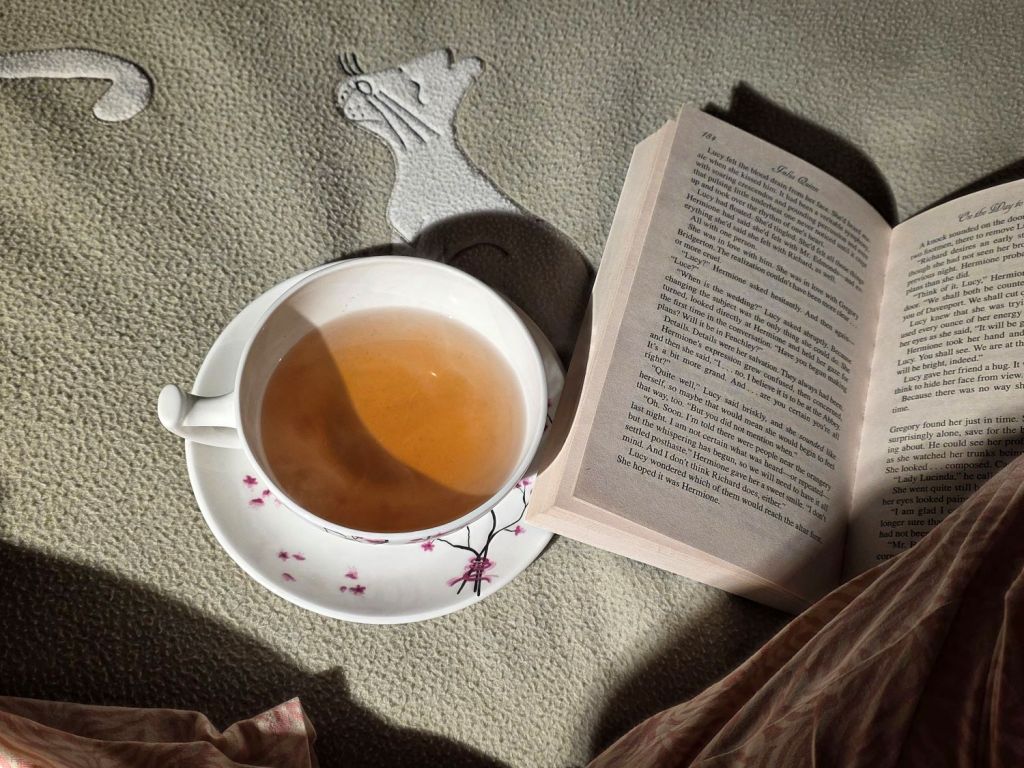
- Self-kindness and ‘Me’ time: Begin by being kinder and more loving toward yourself. If you’re exhausted after being at work or out with friends, create a cozy environment at home. Take time to fully relax: light a candle, read a book, and cook something that warms your soul.
- External help: if it’s hard to handle your deep thoughts and worries on your own, I warmly recommend contacting a therapist so you can also get professional help.
- The practice of Self-Awareness: slowly learn to be more aware of what makes you stressed, worried, or overwhelmed. Don’t worry; this isn’t easy, and many people struggle with it. However, it is a wonderful starting point for becoming more grounded and mindful of how different environments affect you.
High sensitivity is a gift, if you choose to look at the bright side of things. You can discover so many beautiful things about yourself and your sensitivity if you decide to embrace it! 🙂
Your sensitivity is a blessing; your sensitivity is unique and beautiful. 🙂
Much Love and Light❤️✨
Sofia Lena 😊
Post not sponsored



 FeelingGoodWithSofy
Lascia un commento