Hey everyone and welcome back to a new travel article!
It’s been a while since I posted about travel, but now is the time! 🙂 Last week I went to Piedmont with my family; it had been some time since I’d been there, so it was nice to return. We visited the stunning Alba area, including Diano d’Alba, Serralunga d’Alba, Monforte d’Alba, Barolo, and Mondovì—all part of the Langhe region!
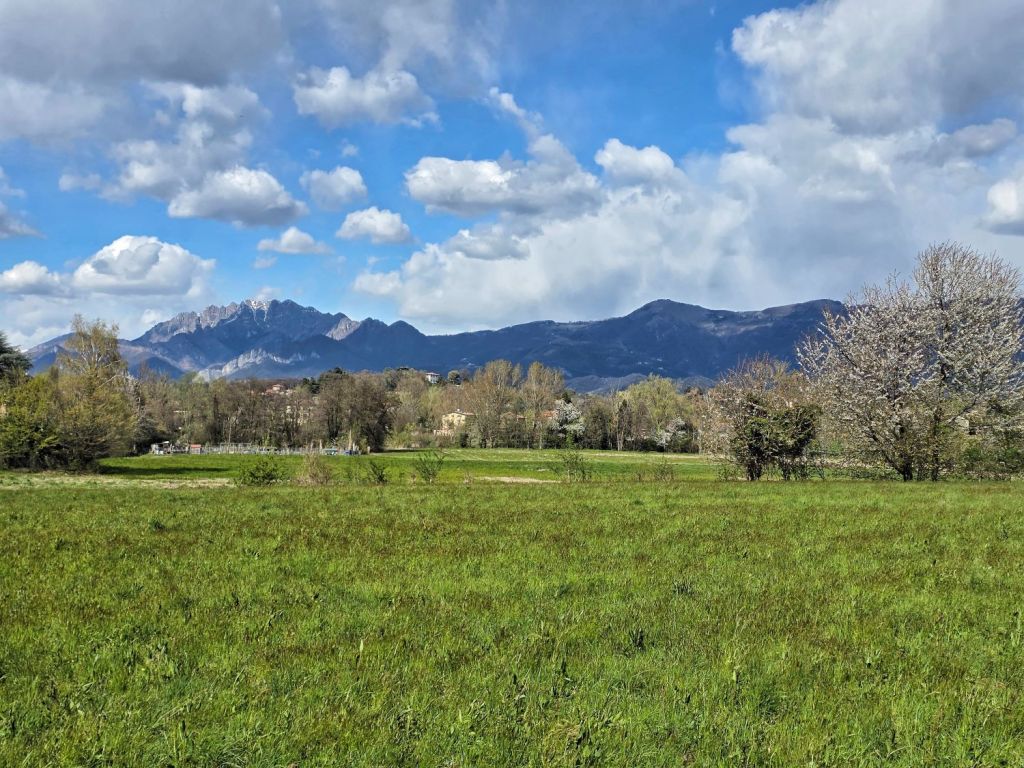
We spent two nights in the charming village of Serralunga d’alba, staying in a lovely apartment that offered a stunning view of the landscape , while we spent our days exploring the neighboring villages.
In this article, I’d love to share my experience in Barolo—one of my favourite destinations during this trip!
Exploring Barolo
It was so convenient that these villages are so close to one another; it took barely fifteen minutes to reach our destination from Serralunga! I’m glad the weather was amazing, too—a perfect day for exploring and eating delicious food outdoors in the sunshine without a cloud in the sky!
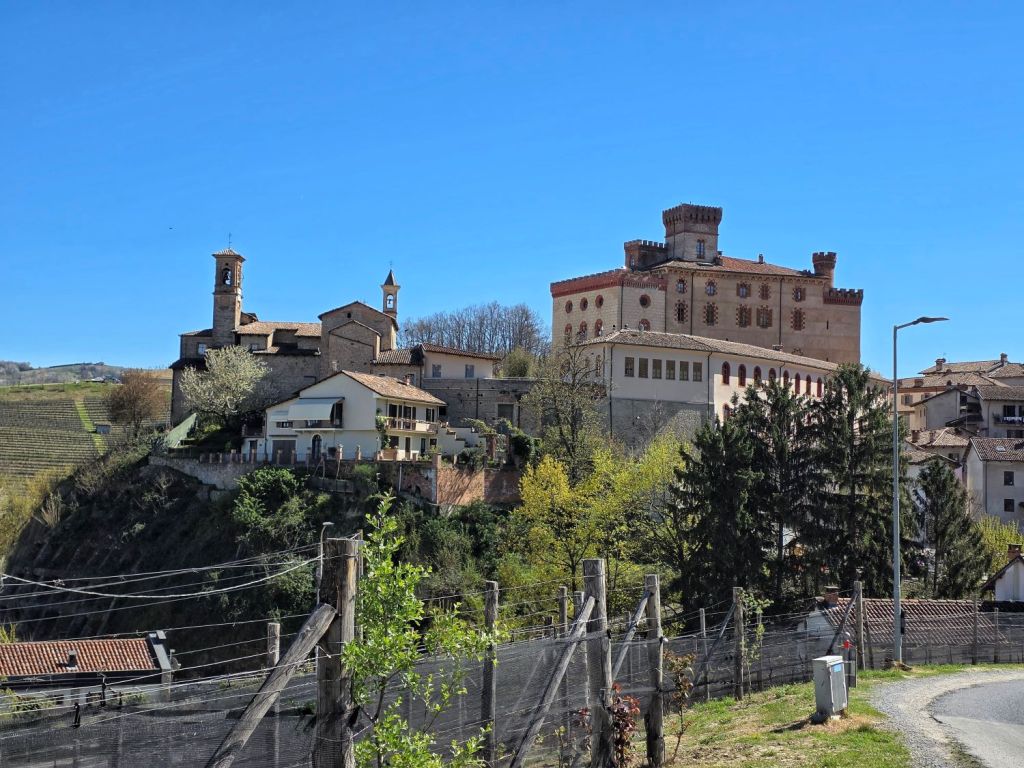
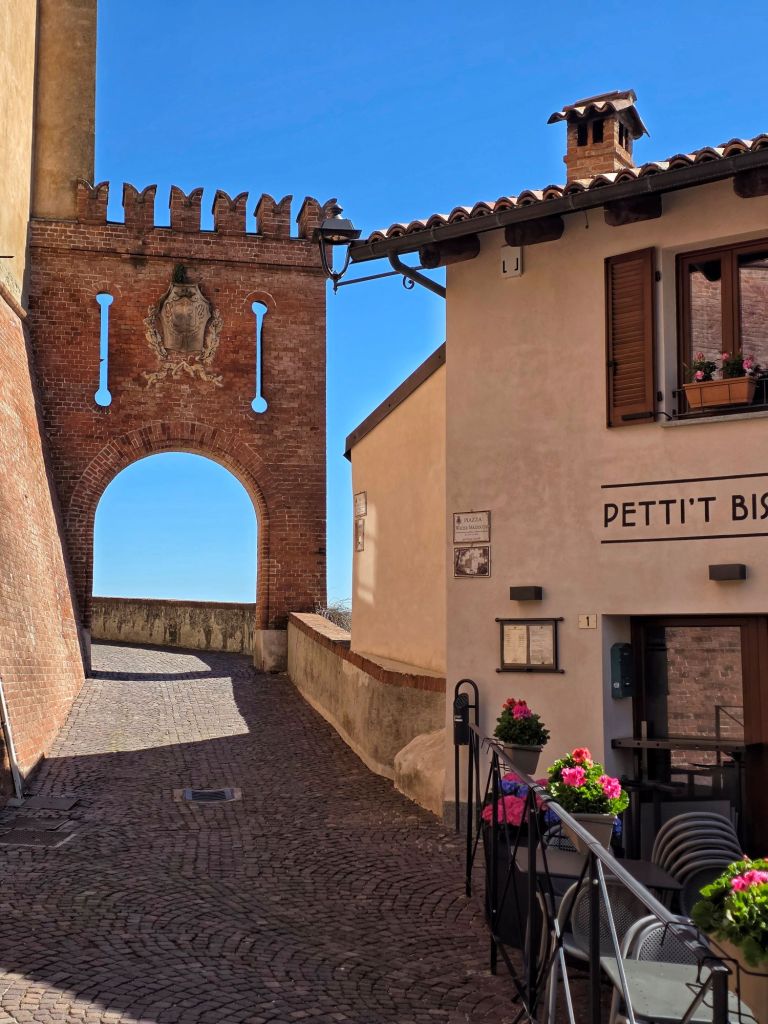
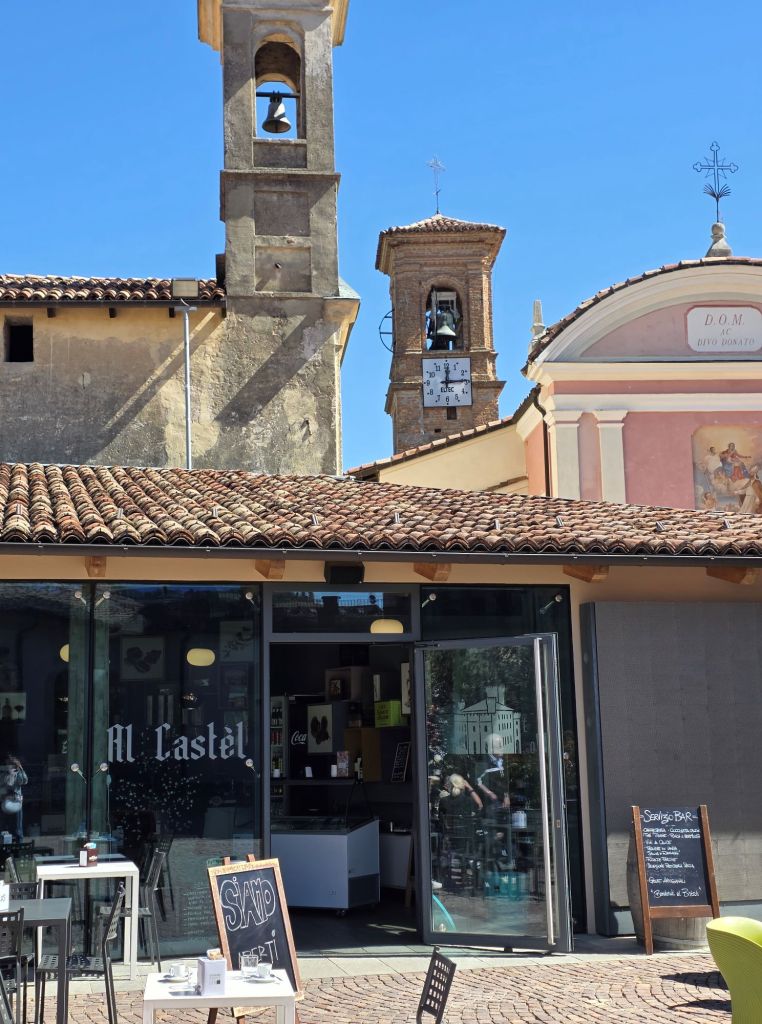
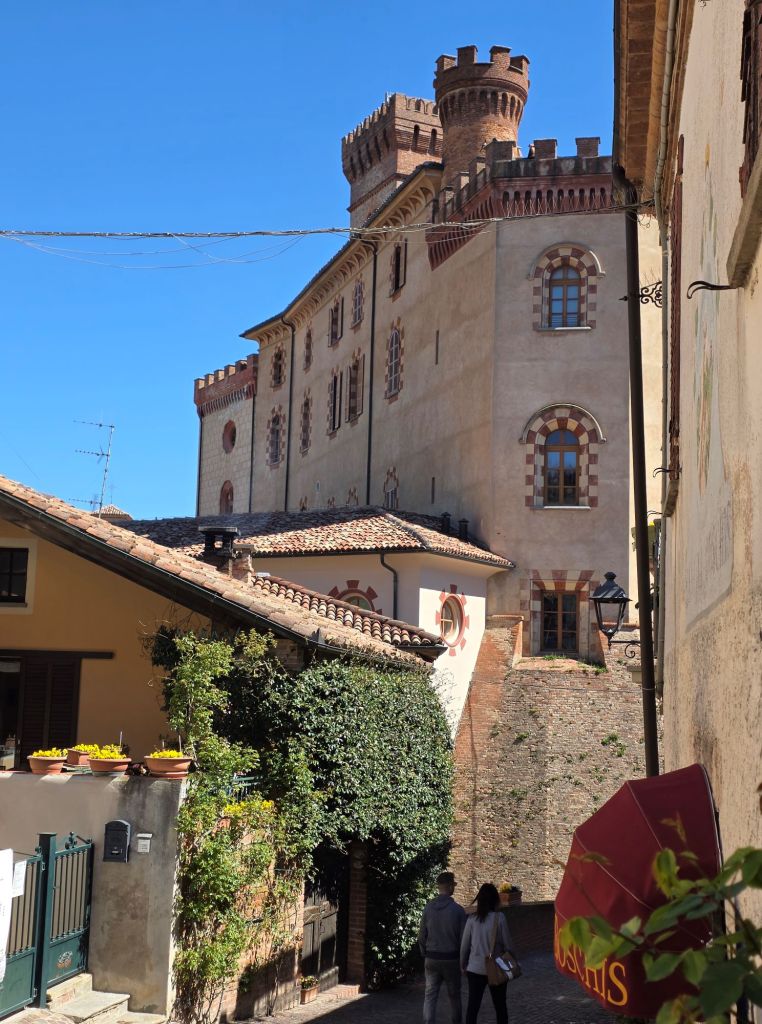
Even though Barolo is indeed a small village, it has its own unique charm and beauty. As I strolled around, I found myself captivated by the small details: the local shops, the gourmet delicacies, and the enchanting squares with historical landmarks such as the majestic Castle of Barolo and the Church of San Donato. Every corner of the town offered a surprise; I would stumble upon a hidden small restaurant, an artisanal gelateria (which I tried, by the way! :)), a quiet square, or some other charming detail of the place!
A Name Renowned Worldwide
If you’re a wine lover—and even if you’re not—you’ll certainly know this is the home of Barolo, one of the most renowned wines worldwide!
A bit of history…
The village of Barolo likely derived its name from the Celtic era, between 1000 and 1250 AD, from the name Bas Reul (meaning ‘low place’). The village and its wine gained importance through the Falletti family, who took possession around 1250; however, it was not until the reign of Marchesa Giulia Colbert Falletti in the mid-19th century that the dry version of the wine became world-famous .
Its Production
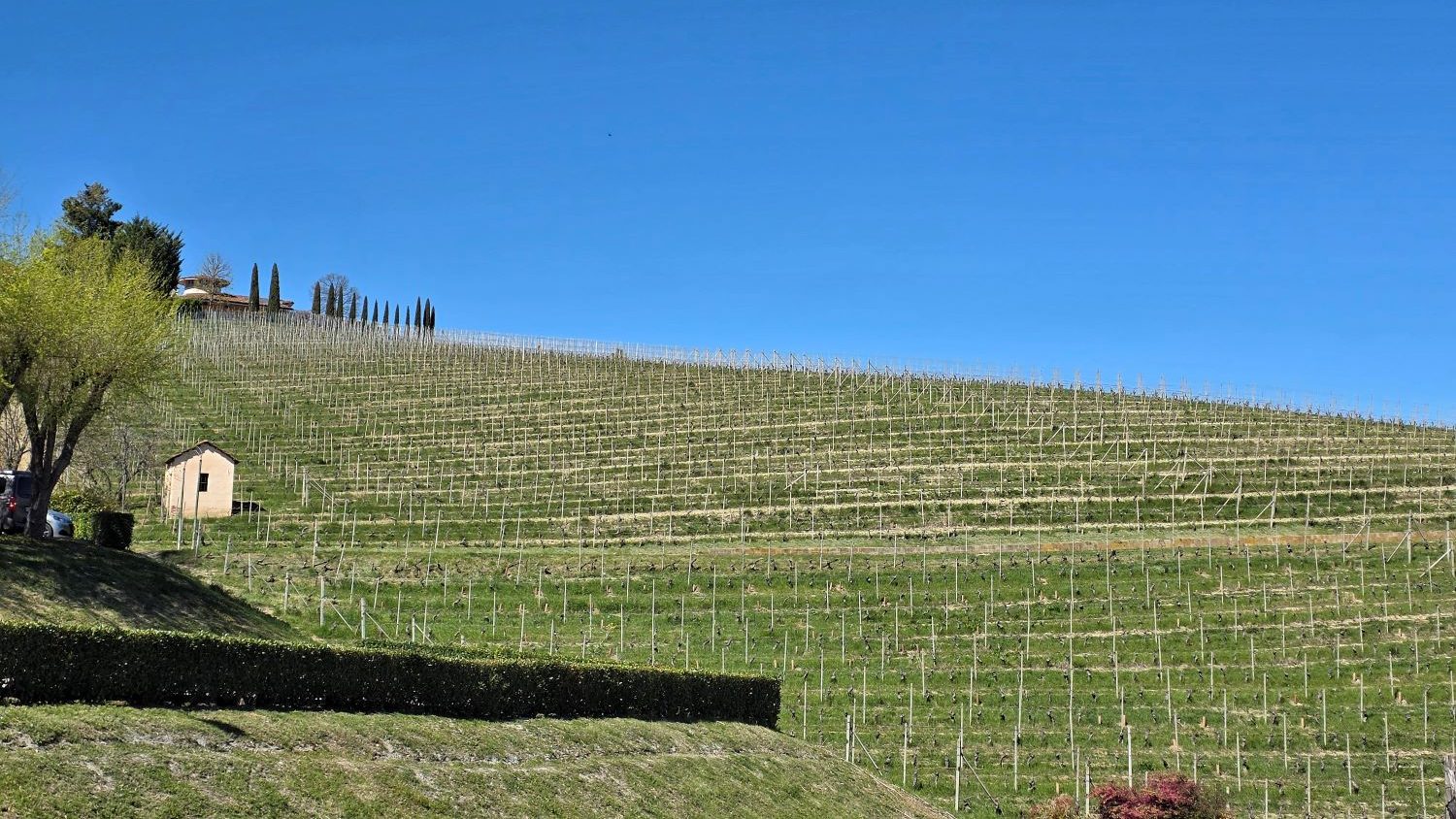
This prestigious red wine is exclusively produced from Nebbiolo grapes in the Piedmont region of northwestern Italy. The name on the label may say Barolo, but the wine’s footprint extends throughout the Langhe. Its production area covers eleven communes near Alba, including Serralunga and Monforte.
When Every Corner Leads to a Glass
While visiting the village, we stumbled upon a wine tasting in Piazza Falletti, just steps from the Church of San Donato. This town truly brims with bars and restaurants where local labels play the starring role! For a deeper dive into the region, you can even book a guided tour of the surrounding vineyards!
Savouring Barolo: Beyond the Wine
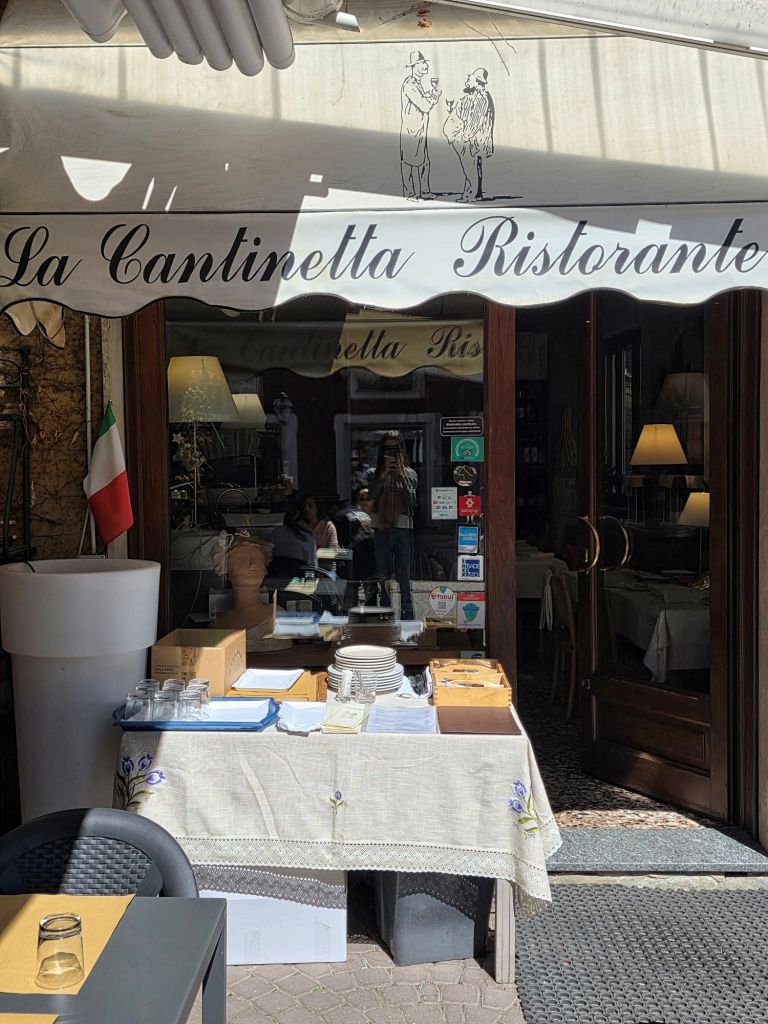
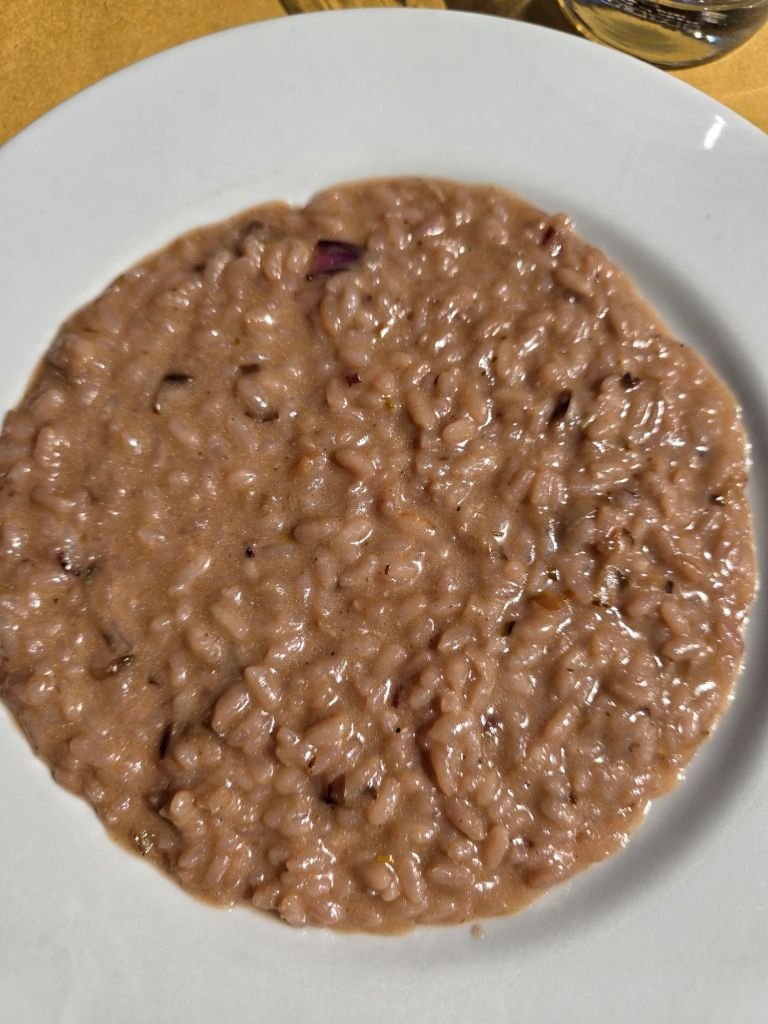
For lunch, we went to a charming place called La Cantinetta Ristorante, tucked away on Via Roma, where I savoured a delightful risotto made with Barolo wine and radicchio trevisano. The taste was delicate, yet at the same time, you could really detect the wine notes—a true enjoyment 🙂 It tasted even better because we sat outside right in the heart of Barolo. It made the experience even more beautiful, flavourful, and unforgettable!
A Glimpse of Summer
Of course, I couldn’t leave the town without first trying the hazelnut gelato, which I luckily found at an artisanal gelateria called La Piccolina in Piazza Municipio, just a stone’s throw from La Cantinetta. It was my first gelato of the season, and I’m glad it tasted delicious—especially the hazelnut flavour! After all, hazelnuts are another world-famous staple of the Piedmont region. 🙂
The Spirit of Barolo
As I wrap up this article, I’d like to return to my main title to summarize why Barolo is so worthy of a visit—whether for a day trip or an overnight stay! Because of its charm and surroundings, Barolo is a jewel nestled amidst vineyards and rolling hills. It offers a perfect blend of history, exquisite food, and world-class wine tours; it is a place where you can relax and take it easy. Furthermore, Barolo is part of the Vineyard Landscape of Piedmont, which was rightfully named a Unesco World Heritage site in 2014.
Post not sponsored


 FeelingGoodWithSofy
Lascia un commento