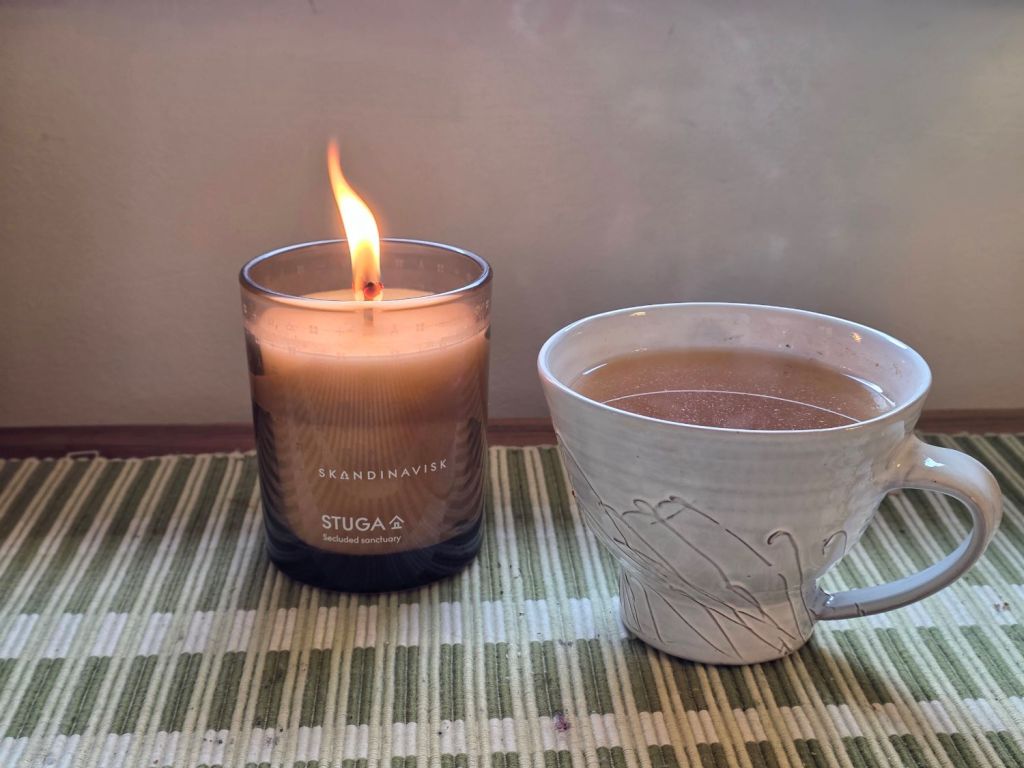
We often reserve rest exclusively for the nighttime. That isn’t wrong at all—rest is undeniably vital for our own mental wellbeing, and without it, it’s much harder to get through the day ahead. However, rest should also be allowed during the day. It shouldn’t be treated as a luxury, but as a right. Carving out moments for yourself, even if it’s just for a few minutes to simply be and breathe, deserves a spot on your daily schedule, too. It’s all too easy to feel guilty about pausing. I am one of many who struggles with this, and I know how hard it can be to let those thoughts fade away. Yet, once I decide to relax, I have no regrets. I find myself feeling content with that choice, especially on the days when I am on edge and in need of a respite. But in the past, that was another story.
Struggling to Pause
In my early teens and for years after, I struggled to simply pause and catch my breath. Throughout school, I believed the only way to succeed was to study all day long without any kind of respite. My days consisted of nothing but school and studying, with no leisure in between. I felt I had to do everything perfectly, and whenever I wasn’t at my best, I fell apart and cried a lot. Looking back, I realize I broke down because of the immense pressure coming from both myself and my professors. Fearing I would let everyone down, I demanded too much from my mind and body. The only rest I allowed myself was at night—and even then, peace was hard to come by.
Choosing Self-Compassion Over Pressure
Over time, I’m learning to be kinder and more compassionate toward myself. I still get guilty thoughts, but I’m learning to let them go—especially when I’m not feeling okay, because expecting too much of myself will only make things worse. In fact, when you are exhausted, you should slow down, take deep breaths and do something for yourself that helps you recharge. When you have too much on your mind, I suggest that you write down your thoughts on paper, take a few deep breaths, close your eyes for a little while and just be.
Ways to Decompress
Pausing is an act of self-compassion; it’s a beautiful way to tell yourself that you need to slow down and recover, though that doesn’t mean it has to be complicate or require a lot of time. Moreover, only you have the power to press the stop button. Here are some ways to decompress:
- Step outside for five minutes to get some fresh air. Now that autumn is here, it can feel especially refreshing to enjoy the crisp air. While you are outside, close your eyes and breathe deeply. If you are near nature or somewhere pleasant, take a moment to look up and take in the beauty around you.
- Treat Yourself to a Warm Drink: Take a few deliberate minutes to prepare a nice cup of coffee or tea. Truly savour it in peace without scrolling through your phone, or use that time to connect over a warm drink with a colleague or a friend.
- Movement: Take time to properly stretch your body. Walk around your workplace or neighbourhood, stretch your legs, do a few simple yoga poses, or unroll your mat for a quick ten-minute meditation practice.
- Music: Put on your headphones and listen to your favourite songs—if possible, while taking a short walk. If you are at home, turn on your music and dance, shaking off all your worries for a little while and simply enjoying the moment. 🙂
Embracing the Journey of Rest
Whenever you give yourself perminssion to rest, you rest not only your mind, but your body, too. It’s normal to feel tired when you’re putting too much pressure on yourself. That’s why it’s good to have small, meaningful rituals that can help you cool down when everything feels overwhelming or overstimulating. Change happens slowly, and that is completely okay.
Post not sponsored







Rispondi