
Hey everyone!😊
In this new mental health article, I’ll dive into the concept of sadness—more specifically, when it’s clinically intense, causing significant pain for the individual. I’ll be sharing some personal experiences related to this topic. Additionally, I’ll also share some tools that could be helpful to you. Remember, we are all different; what helps me might not help you, and vice versa!
Trigger Warning: if you’re struggling with your mental health, this article might be difficult to read. However, it also offers motivational tools and insights along the way. The decision to keep reading is entirely yours and no one else’s!❤️❤️
Sadness: A Universal Experience
We wouldn’t be human if we didn’t experience sadness from time to time; in fact, sadness is as much a part of our world as anger or joy.
Sadness isn’t just natural; it’s also a healthy, natural response. It demonstrates your sensitivity during difficult times and shows how much you value people and your own life experiences.
More Than Just a Bad Day: Understanding Intense Sadness
The problem arises when sadness becomes a permanent emotion in one’s life. When sadness stays for weeks or even months it can be truly debilitating. In fact, persistent, intense sadness is one of the most common signs and symptoms of clinical depression.
Even though depression is experienced differently, severe sadness is one of the main symptoms leading to a loss of energy and appetite. Moreover, this emotion can cause you to stop taking care of yourself and others. There is a loss of interest and pleasure in daily life. When you feel so down, everything is really hard; you might just want to cry, stay in bed, or sit on the sofa and listen to sad music. The world keeps going, but for the person suffering, everything seems indifferent.
For those struggling with melancholia—clinical depression—there can come a point when, unfortunately, nothing seems to matter anymore.
Sharing a Bit of My Story…❤️
I’ve been battling depression for many years, at first it was mild, but as time went by, I started to experience it in a much more challenging way. I’m someone who has cried a lot, and I still have many moments where crying and sobbing are how I express just how deeply sad I am.
Recently, I went into a serious depression and was hospitalized for the second time. I’ve been feeling really low, with no energy or motivation to keep going on. Although I’ve been deeply sad also before, this time the sadness lasted for months and was incredibly intense. I didn’t feel anything else—just pain and sadness. I still struggle with it, but I’m slowly learning to cope, even if it’s truly painful sometimes.
You Are So Resilient ❤️
If you also struggle daily with sadness, know you’re not alone.❤️I want you to know how incredibly strong and resilient you are to go through your hardships.
No matter how difficult it might be to ask for help, having someone by your side who helps you is highly recommended.
The act of asking for help requires immense courage. I understand how difficult it can be to talk, especially when your mood is low and you have no motivation. No matter how challenging it feels, don’t give up—someone will understand.❤️
Some Tools along the way…❤️
When you feel numb and tired, even the smallest of tasks requires a lot of energy. Here are a few tools that are helping me through this journey.❤️
- Small Wins: try to set small goals throughout the day. It could be setting your alarm clock a bit earlier than usual, or going for a short walk to stretch your legs and get some fresh air. Once accomplished, tell yourself how proud you are. Even if you didn’t manage to do those specific things, compliment yourself for—for example— getting out of bed instead of lying there all day.
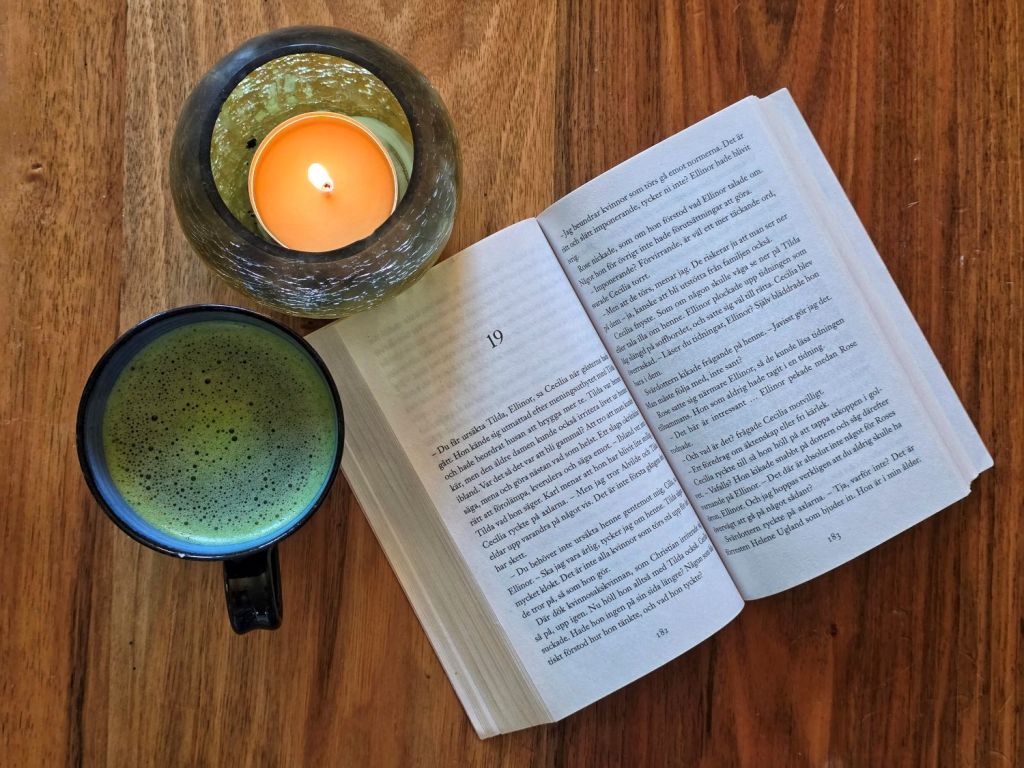
- Calming Rituals: find some daily rituals that ground your mind, body, and soul. For example, if I find myself feeling very sad in the morning, I focus on making my matcha mindfully and then savoring it while reading a feel-good book. Moving your body slowly is another great tip; you don’t have to do a full yoga session—even ten minutes is enough to begin.
- Self-Compassion: learn step-by-step—perhaps with the guidance of a therapist or a loved one—to be kinder and more loving toward yourself. It’s not your fault if you struggle. A common symptom of depression is blaming ourselves for things we have no control over. For me, self-compassion is an ongoing journey; it’s truly not easy, but I’m trying my best. Remember, one step at a time.❤️
Love always surrounds me, even when I feel low.
Much Love and Light ❤️✨
Sofia Lena 😊
Post not sponsored








Rispondi